
PART ONE: A Gold Star daughter speaks out, decades after her Green Beret father’s death
BY JOHN KEREZY, eyeoncleveland.com founder
CUYAHOGA FALLS, SEPT. 10, 2025 — CUYAHOGA FALLS, OH – Mallory Crabtree has no memories of her father. Born in January 2005, she was just 17 months old when her dad, Sgt. First Class Daniel Crabtree, was killed. An improvised explosive device detonated near his vehicle near Al Kut in east-central Iraq, claiming his life.
Mallory was about four years old when she first came to understand that her father had died. As she entered the Green Local Schools in southern Sumit County, she didn’t shy away from telling her classmates or neighbors about Sgt. Crabtree.
“My dad’s story is personal, but it also represents the sacrifices of so many other families who continue to carry the memory (of service members lost),” Mallory says. “Every time I share my dad’s sacrifice today, I hope people are reminded that behind each name is a life, a family, and a legacy of love and service.”
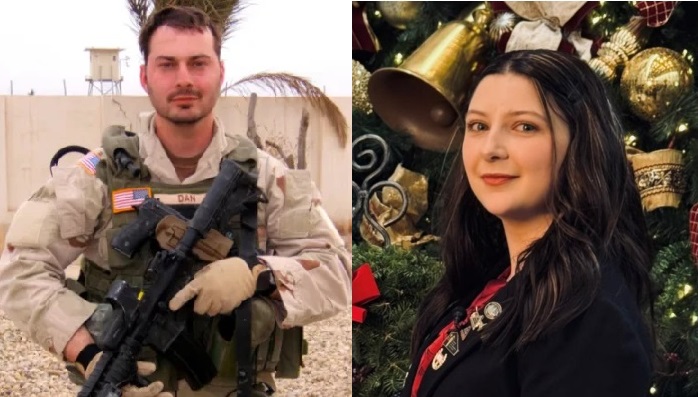
When she turned 17 and was still in high school, Mallory began speaking publicly about her father’s life and death. She still does today, while enrolled at Herzing University Akron, completing an internship while studying to be a medical assistant and then a registered nurse.
She also feels pain and loss.
“I think about milestones (ahead) like my wedding day or one day having children, and it hurts knowing that he (my dad) won’t be there for those moments. When I’ve spoken, I have heard from other Gold Star families, and many of them tell me that hearing my own perspective … helps them feel less alone in their own journey.”
WANTING TO SERVE
Like hundreds of thousands of men and women in the U.S. Armed Forces reserves at the time of September 11, Sgt. Crabtree was dedicated to serving his country and protecting its freedoms and way of life.
“Dan always wanted to pursue a career in law enforcement and in the military,” recalls his widow, Kathy Crabtree. “He was almost 19 years old, had joined the Army, and was at the University of Akron studying criminal justice when we met.”
Kathy and Dan married in 2000. She had launched her career as a teacher, and he was in the Army Reserves and also a police officer in Cuyahoga Falls, where he specialized in SWAT (special weapons and tactics).
Then 9/11 happened.
Former Cuyahoga Falls police officer Warren Capps served with Dan, and remembers him well. Capps was also a military (Marine Corps) veteran.
“Dan was a true patriot and he felt compelled to serve after 9/11,” Capps remembers. “I recall on one night shift police patrol, Dan telling me that he was re-enlisting to active duty and was accepted to Army Ranger School. After listening to his reasoning and understanding how motivated he was to see combat action in defense of country, I knew why he was leaving the police force and planning to go to active duty.”
Dan Crabtree joined the Army’s 19th Special Forces Group in 2002, and underwent Special Forces Qualification Course (training) in 2003-2004, earning a Green Beret in 2004. Along the way he became friends with a fellow Summit County Army soldier, Frank LaRose. LaRose went on to enter public service, and today is Ohio’s Secretary of State.
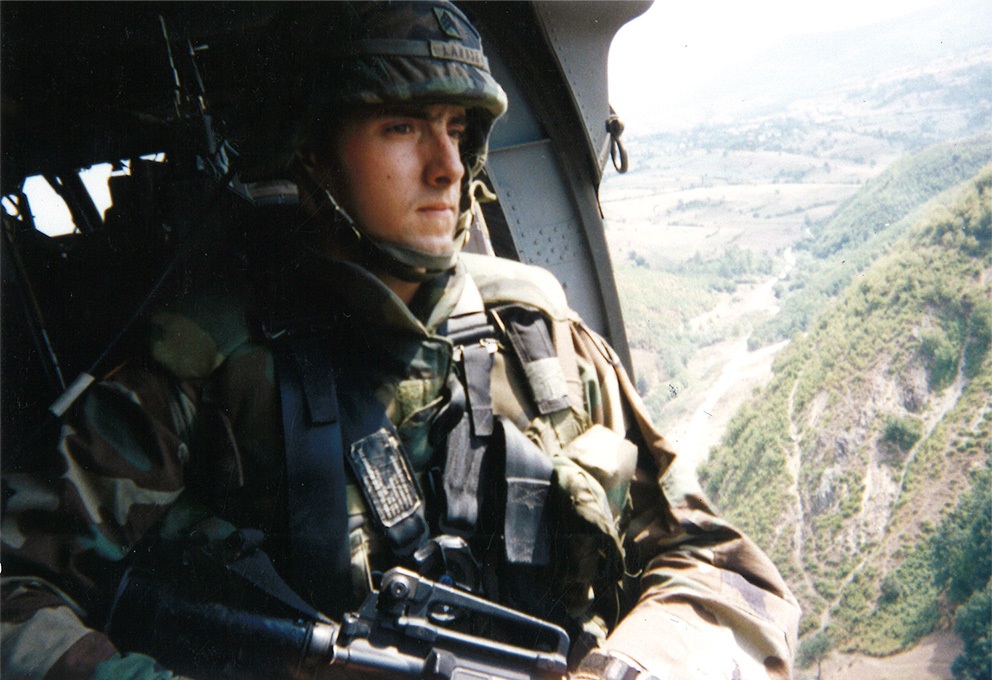

“Dan & I trained together and served on the same Special Forces team,” LaRose recalls.
When Crabtree was deployed to Iraq, he developed and implemented SWAT training for Iraqi police forces. He assisted Iraqi SWAT in more than 35 missions, including six large-scale air assault operations which resulted in the capture of more than 100 insurgents.
“Dan was killed in action when his vehicle was hit by an IED in Iraq in 2006,” LaRose says. “He left behind a loving wife Kathy, daughter Mallory, mother & father, & many more who loved him.”
About 2.7 million Americans served during Operation Enduring Freedom (Afghanistan), Operation Iraqi Freedom (Iraq) and elsewhere in the Global War on Terror (GWOT). According to a study from Brown University’s Watson School of International and Public Affairs, Ohio ranked in the Top Ten (No. 7) in total number of service members who fought in the GWOT between 2001 and 2021. Four percent of all those who served in Iraq and Afghanistan were Ohioans.
Of those, 204 Ohioans died in Iraq, Afghanistan and elsewhere during these war operations, according to the Defense Manpower Data Center’s (DMDC) Casualty Analysis System. One of them, Sgt. Daniel Crabtree, has a real-life legacy, his daughter, retelling his story.
Mallory feels it’s vital that audiences, especially young audiences, hear about what her father and others did in the GWOT. So she speaks at public gatherings, and talks about Sgt. Dan Crabtree and his sacrifice.
[Editor’s note: groups in Northeast Ohio who are seeking a military-themed speaker can reach Mallory Crabtree at this email: mallory.crabtree2005@gmail.com]
“When I think about my dad and others who served and died, I see incredible courage,” Mallory says. “They carried the weight of protecting us, and they sacrificed more than most people will ever realize…their service is a reminder that freedom has a cost.”
One of Mallory’s proudest advocates is Secretary of State LaRose.
“We had a team reunion in early September, and there are a bunch of us (now) old Green Berets who served with Dan Crabtree in Iraq,” he says. “We are very proud of ‘our little girl’ Mallory who has become an amazing young woman.”
Hear it: Listen to eyeoncleveland.com’s John Kerezy’s interview with Mallory Crabtree here.
HEAVY TOLL ON THE LIVING ALSO
The soldiers who fought and bled in the GWOT came home with greater wounds and heavier burdens than their predecessors. One example is the basic amount of time serving in a combat zone. Most U.S. Army personnel served one year in Vietnam. Air Force and Navy personnel also served an average of 12 months. U.S. Marine Corps tours were usually 13 months’ duration.
By comparison, more than half of all American service members fighting the GWOT were deployed to Iraq or Afghanistan more than once. Many served three tours, some even more. The average age of a serviceman in Vietnam was just 22, compared to age 34 for service members deployed in Operation Enduring Freedom and age 31 for Operation Iraqi Freedom. Most servicemen in Vietnam were single, while many in the GWOT were married, and often – like Sgt. Crabtree – with a spouse and children back in the U.S.
In the summary section of the 193-page National Academies of Science report “Returning Home from Iraq and Afghanistan: Preliminary Assessment of Readjustment Needs of Veterans, Service Members, and Their Families,” the researchers wrote this:
“The all-volunteer military has experienced multiple redeployments to the war zone, great use of the reserve components of the military and the National Guard, deployment of high numbers of women and of parents of young children, and a high number of military personnel who survive (cq) severe injuries that in previous wars would have resulted in death.”
This report, completed in 2010, cites post-traumatic stress disorder (PTSD), anxiety disorders, and depression as factors hindering readjustment to civilian life. Additionally, traumatic brain injuries (TBIs) – a frequent wound of Iraq and Afghanistan war veterans — have a lengthy list of co-conditions that includes declines in neurocognitive function, dementia, adverse social-function outcomes, diminished social relationships, depression, and aggressive behaviors.
“Transitioning from active duty is a serious situation that can have negative effects on the mental health of returning veterans. Combat or not. It’s a massive change in pace, lifestyle, security, and general outlook,” says Matthew Miller, Program Manager, Veteran and Military Connected Services at Cuyahoga Community College’s Western Campus. A GWOT veteran himself, Miller wrote his doctoral dissertation while at Kansas State University on the readjustment challenges veterans face.
“Lack of camaraderie is a powerful force. Further mental health situations occur regarding anxiety, alcoholism, and domestic situations.” Miller adds. “Divorce is regular, financial difficulties are common, and service-connected disabilities are the norm.”
Once home and discharged from active duty, GWOT veterans are discovering that the Veterans Administration health care system is anything but patient-friendly. Some veterans suffer from excessively long (three months is not uncommon) wait times, and some also experience wait-time manipulation through improper cancellations.
“It’s absolutely essential that the VA develop online portals that will allow veterans to self-schedule appointments at VA facilities or at community care providers,” says Adam Miller, a US Marine Corps veteran who is also a grassroots engagement director for the veterans’ advocacy group Concerned Veterans for America.
“We also want to see veterans provided access to outpatient mental health and/or substance use treatment through community care, and enable veterans to choose between VA or community care facilities, without prior VA referral,” Miller adds. “That way, veterans get needed treatment faster and better without suffering through the VA’s bureaucratic red tape.”
Concerned Veterans for America is advocating for passage of the Veterans’ Access Act. The proposed legislation (S. 275, H.R. 740) would protect and expand veterans’ health care choices.
(Click here for details about Concerned Veterans for America: https://cv4a.org/ )
In his 15½ years as a counselor at Cuyahoga Community College, David Nardecchia has gotten to know hundreds of veterans. He’s presented talks to his colleagues and to the community about the many re-adjustment challenges veterans face, and he’s been called upon to help defuse situations when veterans become despondent or hostile while on campus. He’s attuned to the skills and training they received in the military, and how that affects their behaviors back in civilian life.


“I’ve seen classroom situations where a professor objected to veterans who want to sit in the back of a classroom,” Nardecchia says. “The veteran will say that they were trained to always have ‘360-degree vision’ in unfamiliar situations. Many also don’t really celebrate any holidays where fireworks are involved.”
Nardecchia is also on the front lines in preventing veteran suicides. He notes that while US veteran suicide numbers have declined (once more than 22 a day, now about 17.5 per day), it is still a vexing problem.
“Many veterans take full advantage of services offered by the VA, but many also struggle with certain mental health conditions that might cause them to face behavioral unit admission,” Nardecchia explains. “One of the caveats at play is having to give up one’s firearm. Veterans take this extremely seriously; many simply won’t relinquish their firearms.”
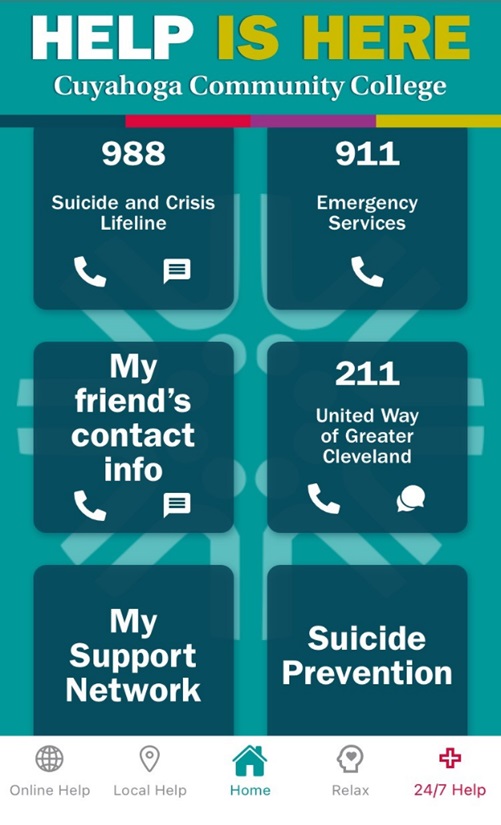
In addition, Nardecchia encourages veterans attending Cuyahoga Community College to avail themselves of the college’s “Help Is Here” mobile app. A full array of mental health resources and a one-click connection with suicide prevention resources are all on the app. A link to Help Is Here details, and QR codes for installing the App on your phone, is just below:
GREATER APPRECIATION FOR FIRST RESPONDERS
By its horrific nature, the 9/11 attacks on the World Trade Center and the Pentagon shone a light on police officers, fire fighters, EMS personnel, and other first responders. Nearly 16 percent — 475 of the 2,977 — who died that day were first responders or military personnel.
“When so many were fleeing the Twin Towers, firefighters, police officers, and emergency personnel ran toward the crisis,” recalls Rev. Rick Duncan, founding pastor of Cuyahoga Valley Church. “We saw, in vivid and heartbreaking ways, the cost of their courage and sacrifice. First responders willingly step into danger for the sake of others.”
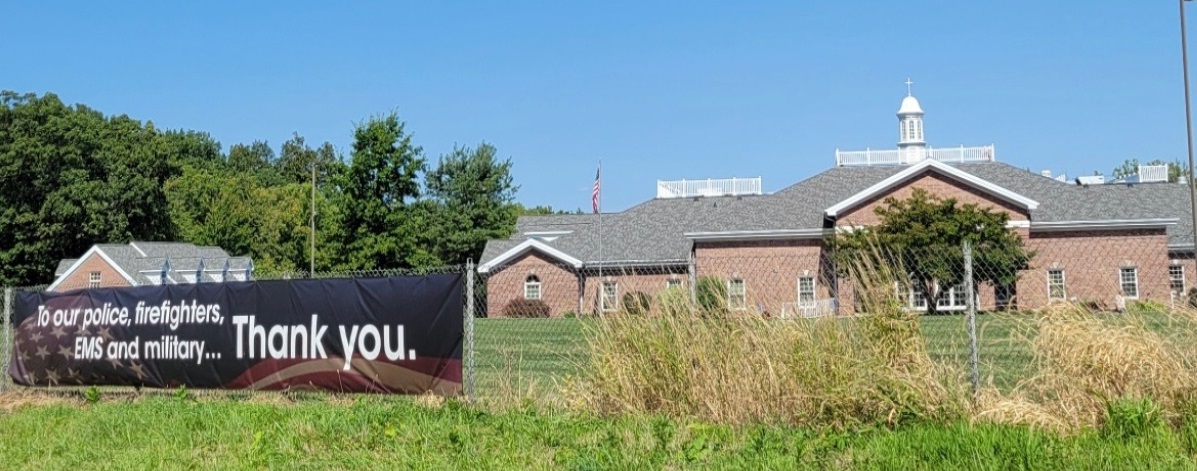
Like many other churches, Cuyahoga Valley Church held memorial services for 9/11. But it also chose to do more. Every year around Sept. 11, it has volunteers delivering large-sized ‘thank you’ gift baskets with fruits and dessert food to the police and fire departments in and around the church’s two campus locations in Broadview Heights and Brunswick, in southern suburbs of Cleveland. It also erects a large ‘thank you’ sign to first responders and the military on its property fence every September.
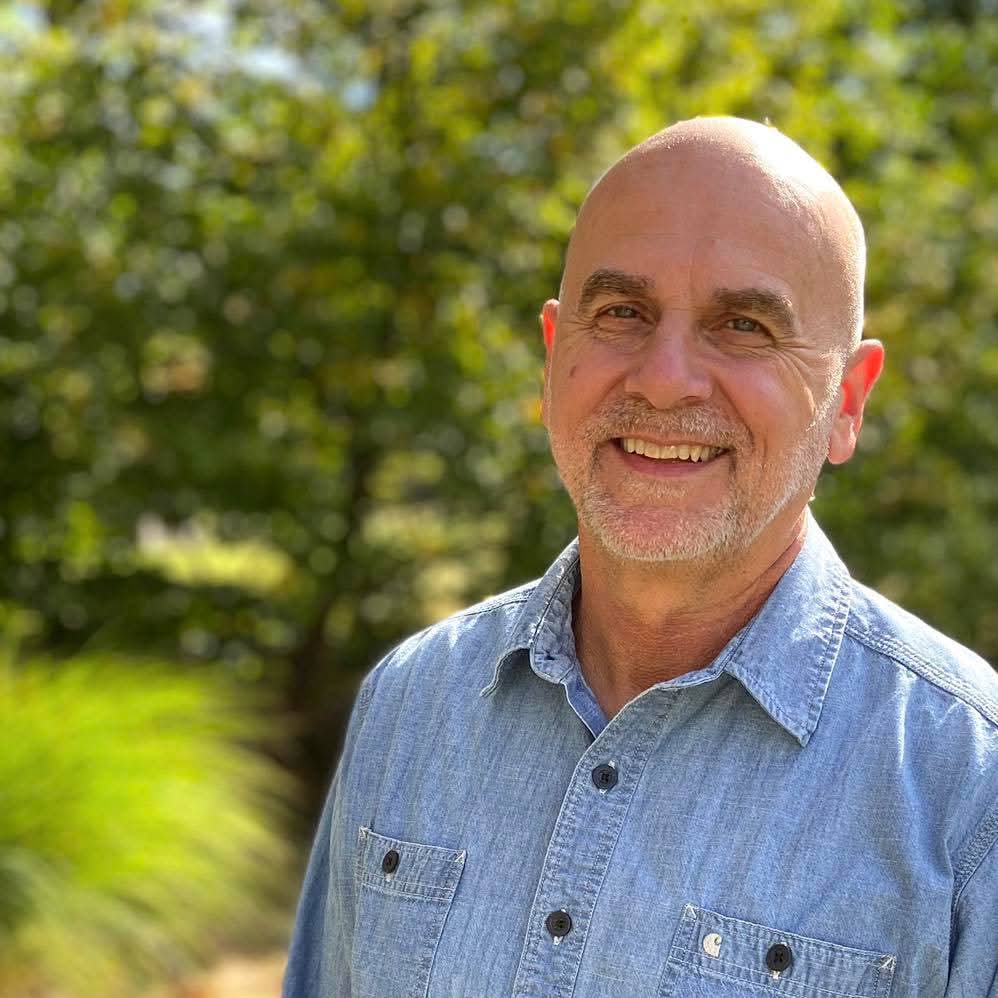
“At the deepest level, the heroism of first responders points us to the greater heroism of Christ,” Rev. Duncan adds. “’Greater love has no one than this, that someone lay down his life for his friends’ (John 15:13). On the cross, Jesus went further still—He laid down His life not only for His friends, but for sinners and enemies too (Romans 5:6–8).”
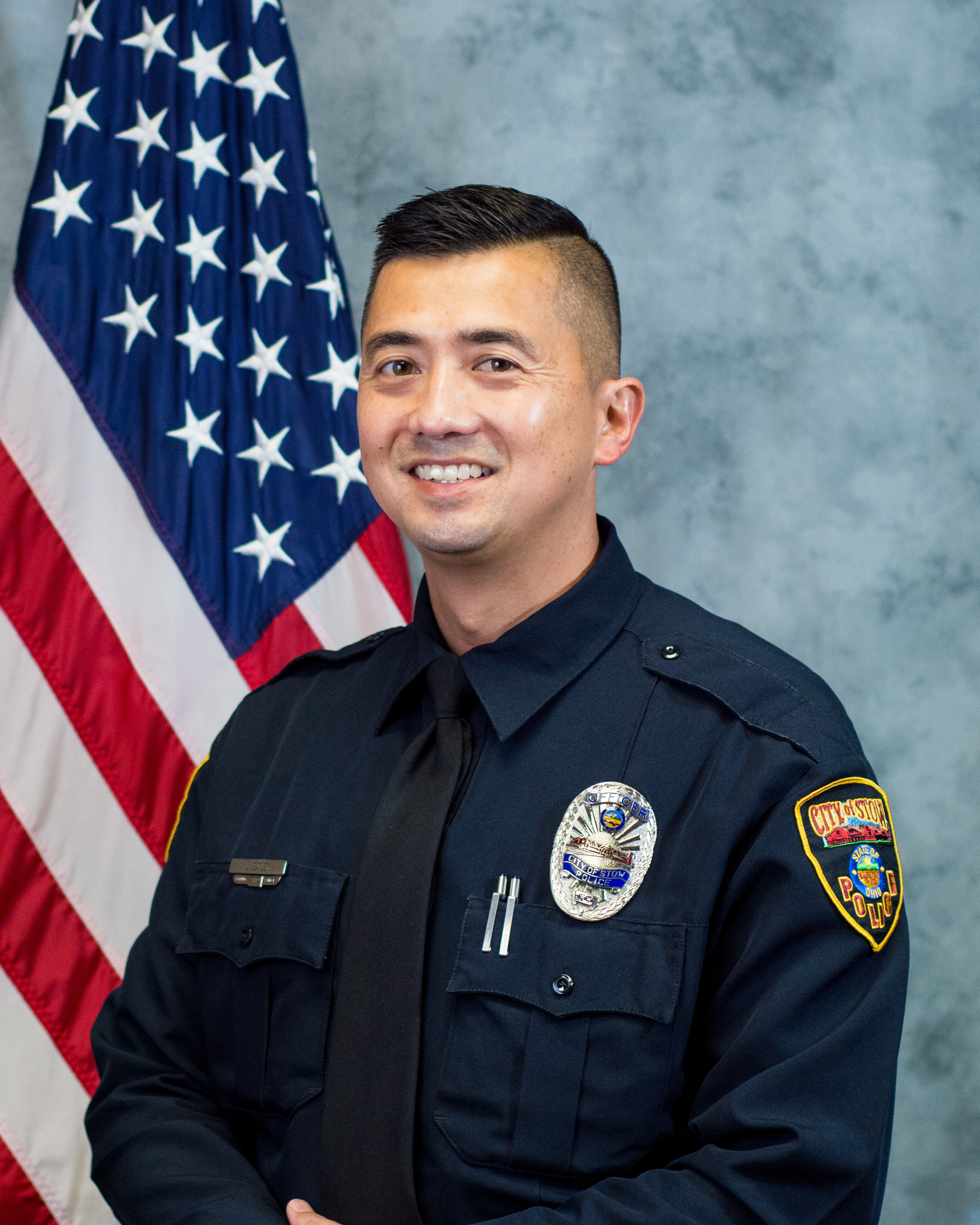
Jason Bailey is a school resource officer, DARE officer, and patrol officer with the Stow Police Dept. On Sept. 11, Bailey had completed five years of service in the Army and was undergoing exams prior to entering the Akron Police Academy. He became a police officer in 2002.
“I had buddies from the Army who fought in Iraq and Afghanistan,” Bailey recalls. “One of my old roommates was killed in action, in Afghanistan, on his 10th tour of duty.”
Bailey remembers that there was a large amount of positive public support for police officers and first responders after 9/11. But times have changed, and the challenges which the police face today are greater and more perplexing.
“One way policing is harder today is that we’ve had to take on many additional roles and responsibilities,” Bailey says. “We also seem to be under a microscope, and sometimes what we do is being second-guessed by a tiny but very vocal segment of the population.
“Fortunately, there is a large majority of the public that supports us,” Bailey adds. “However, there’s a lot of evil in this world. I get a lot of comfort and strength from my personal relationship with Jesus Christ.”
REMEMBERING 9/11
Here is a partial list of Northeast Ohio communities holding 9/11 commemorations and activities this week:
- CLEVELAND: Edgewater Park – 6:30 p.m. – Sept. 11, 2025 – 9/11 Heroes Run
- CLEVELAND: Soldiers’ & Sailors’ Monument, Public Square – Sept. 11, 2025 – 9/11 Memorial Service, beginning indoors at 8:30 a.m. and continuing outdoors at 11:30 a.m.
- LAKEWOOD: Fire Station No. 1, 14601 Madison Ave, – 9 a.m. – Sept. 11, 2025 – Fallen Firefighters Memorial Ceremony
- PARMA: 9/11 Memorial, Shoppes at Parma – 7 p.m. – Sept. 11, 2025 – Parma Fire & Police Memorial Service
- PARMA/PARMA HEIGHTS: Cuyahoga Community College Public Safety Training Center, 11000 Pleasant Valley Road, Sept. 11, beginning at 9:50 a.m.
- BROOKPARK: Kennedy Park Veterans Memorial – 11 a.m. – Sept. 11, 2025 – “Never Forget” Ceremony & Motorcycle Processional Ride
- PAINESVILLE: Veterans’ Park (Painesville Square) – 8:30 a.m. – Sept. 11, 2025 – 9/11 Remembrance Ceremony
- MENTOR: Stair Climb, Mentor Community Recreation Center – Sept. 11, 2025, beginning at 8:46 a.m. (the moment the first plane struck the World Trade Center)
- CANTON: 9/11 Memorial Stair Climb, 8 a.m. – Sept. 11, 2025 — at the McKinley Presidential Monument
- STOW: 9/11 Memorial Ceremony 8:30 a.m., Sept. 11, 2025, Stow Safety Building, 380 Darrow Road
- OLMSTED FALLS: Memorial Ceremony 9 a.m., Sept. 11, 2025, at Olmsted Falls Fire Station on Columbia Road.
- WESTLAKE: Evergreen Cemetery, 8:30 a.m., Sept. 11, 2025.
You can read a copy of Mallory Crabtree’s 2025 Memorial Day speech in Hudson here:
Additionally, the Brunswick BEAT journalism program’s Annie Milo conducted an interview with Mallory at the end of August. You can see the interview here: https://thebeat.viebit.com/watch?hash=valyC8Kk09kVa6No
Special thanks to Noah Weisblat for assistance with list compilation and for creating the logo for this series, with the help of Gemini AI. His website is: http://noahonai.com/
 eyeoncleveland