By JOHN KEREZY, eyeoncleveland.com founder
March 5, 2026 –– Many thanks to the 3,000 plus eyeoncleveland.com readers who’ve viewed our stories so far in 2026. Our web feature/news site had more than 18,500 viewers in the last 12 months. We appreciate your interest. We’ve had nearly 900 views in just the past seven days.
Our most recent story about how to enter your own Emergency Contact Information (ECI) – To Inform Families First – had an overwhelmingly positive response. About 500 people read it on its first day. One person, Debbie Wellington from Pennsylvania, thanked me on social media for the story. She signed herself and her husband, Bob, up to list their emergency contact information with PennDOT, her state’s department of motor vehicles. Debbie said it only took a few clicks to get to the website, and completing the ECI took less than one minute.
Thank you Christine Olson, for turning your personal tragedy into a vital and potentially life-saving tool for millions of people. If you missed the story, here’s a link: https://eyeoncleveland.com/2026/03/04/critical-tool-in-emergencies-to-inform-families-first/
By the way, a person reading the story said, “My ECI is in my cell phone.” We all have those details there. But almost all cell phones now also have automatic locking functions that go into effect if you stop using the device after 10 or 15 minutes. You can’t get into the phone without first punching in your four-to-six-digit security code. If you’re incapacitated in an accident, EMS personnel won’t know your phone’s security code. That’s why having ECI in a database for police, EMS and fire is critical and could also help save your life.
VACCINES
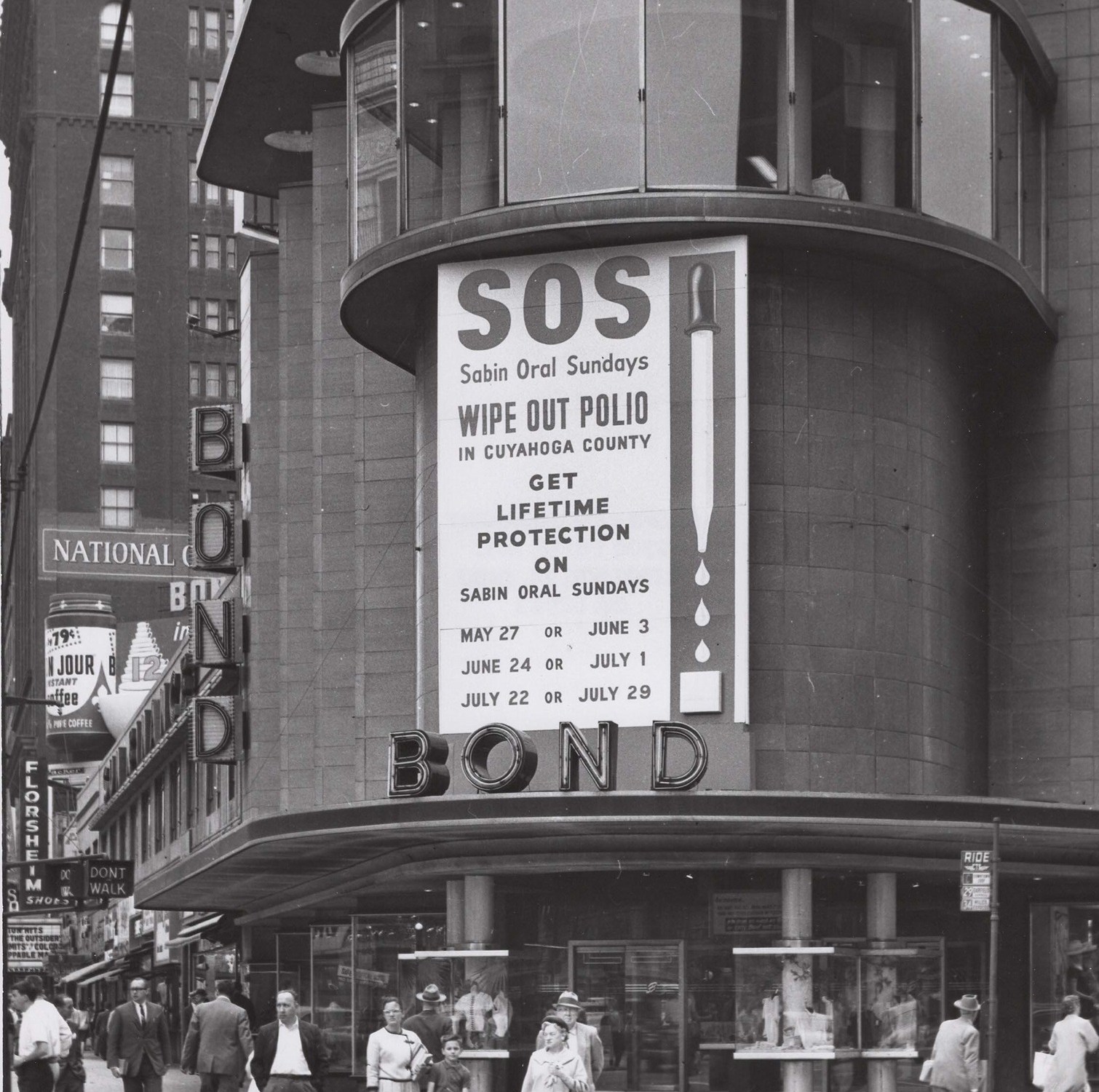
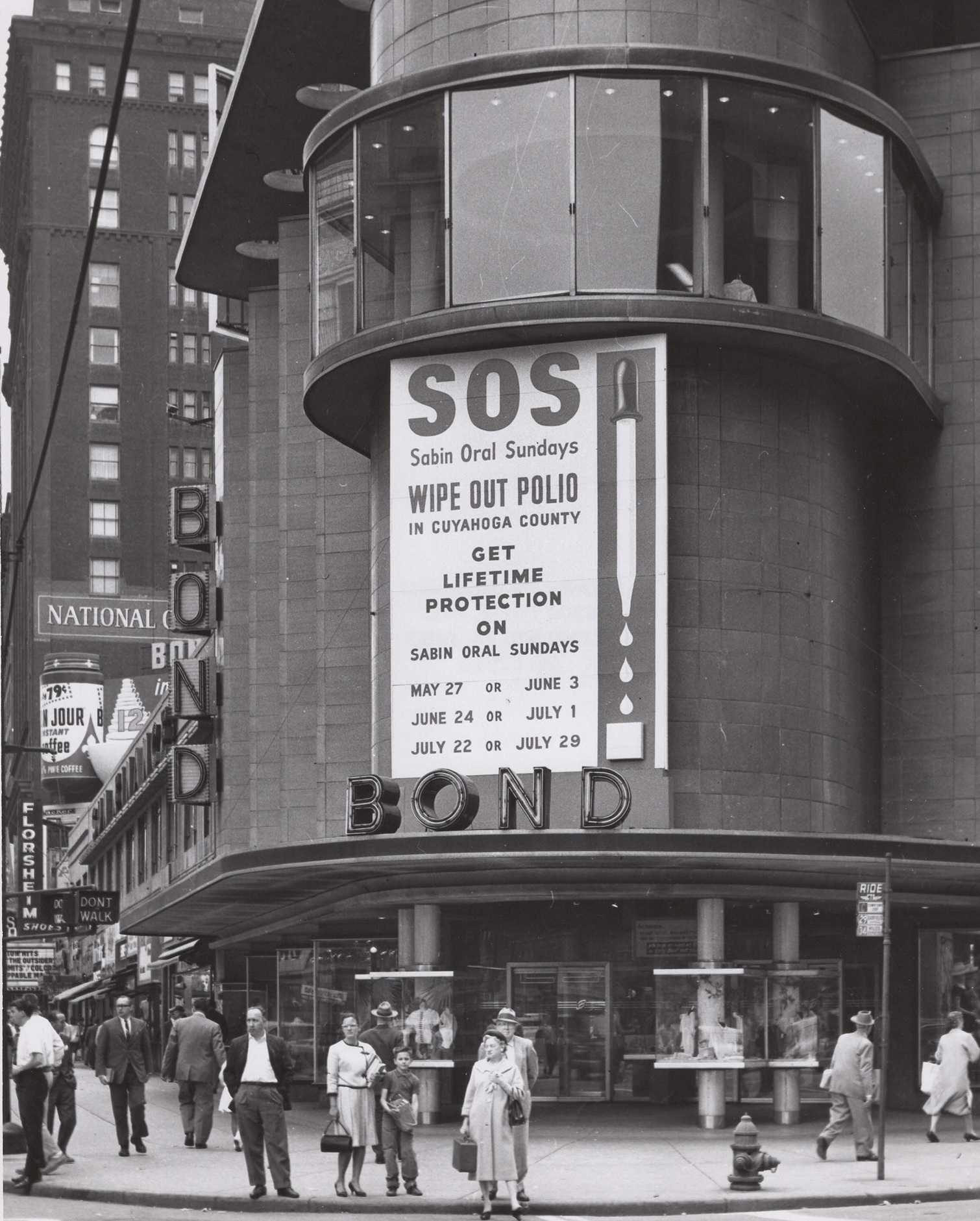
When I was born in 1957, polio will still a killer disease. Death or paralysis from it shadowed us all in our very young years. Dr. Jonas Salk developed a vaccine against the disease, and over a period of years it was administered across the country. One of the leading areas of the nation in the campaign to eradicate polio was Cleveland. The city, county, and medical communities banded together for Sabin Oral Sundays, or SOS, and administered the polio vaccine to 1.5 million Cuyahoga County residents on six Sundays in the spring of 1962.
I was one of them. (See bottom if you’re interested in this history.)
In recent years, a combination of vaccine hesitancy and a new disease – Information Disorder – is causing fewer and fewer parents to choose vaccination for their infants. Just one example: In a recent survey, 48 percent of expecting parents said they were undecided about vaccinating their children with all recommended vaccines. (See link below)
The results of this will be catastrophic.
A new group called Grandparents For Vaccines, GFV for short, formed in Ohio just a few months ago. Its leader, appropriately enough, is a Clevelander, retired pediatrician and grandfather of four Dr. Arthur Lavin. The group’s audacious goal is to help the public, especially parents of infants, regain trust in basic immunizations such DPT and MMR vaccines. We’ll be focusing on Dr. Lavin and GFV soon.
COMBATTING DIVISIVENESS
Longtime and now former NPR (National Public Radio) business editor Uri Berliner made the news when he criticized his employer for not having any political balance. He wrote a column in The Free Press in 2024, accusing NPR of losing America’s trust through a lack of viewpoint diversity, liberal bias, and a fixation on progressive ideology.
Berliner said that he had surveyed NPR’s Washington DC newsroom, and found that 87 editorial staff were registered Democrats, and zero were Republicans. You can find and read his story here:
On Thursday, March 26, the Cleveland Pro Chapter of the Society for Professional Journalists, SPJ, will be examining the concept of Political Balance in its newsrooms in a panel discussion at the Metro Campus of Cuyahoga Community College. I’m privileged to moderate this discussion, which will consist of a panel of four professionals from the fields of journalism and political science. We will preview this event soon.
Below is a sheet with important details about the event, titled “BIASED OR BALANCED: Does Political Affiliation Matter in Today’s Newsroom?” SPJ has added Alisson Togo Lagos, a reporter with the Akron Beacon Journal to the all-star panel of Thomas Sutton of Cleveland State University, Helen Maynard of Signal Cleveland, and my Cuyahoga Community College colleague Professor Sonja Siler. Many thanks to them for speaking about this vital topic.
Thanks also to the Press Club of Cleveland and the Greater Cleveland Association of Black Journalists for their support of the event. Look for details about this on eyeoncleveland.com in mid-March.
eSports AT TRI-C
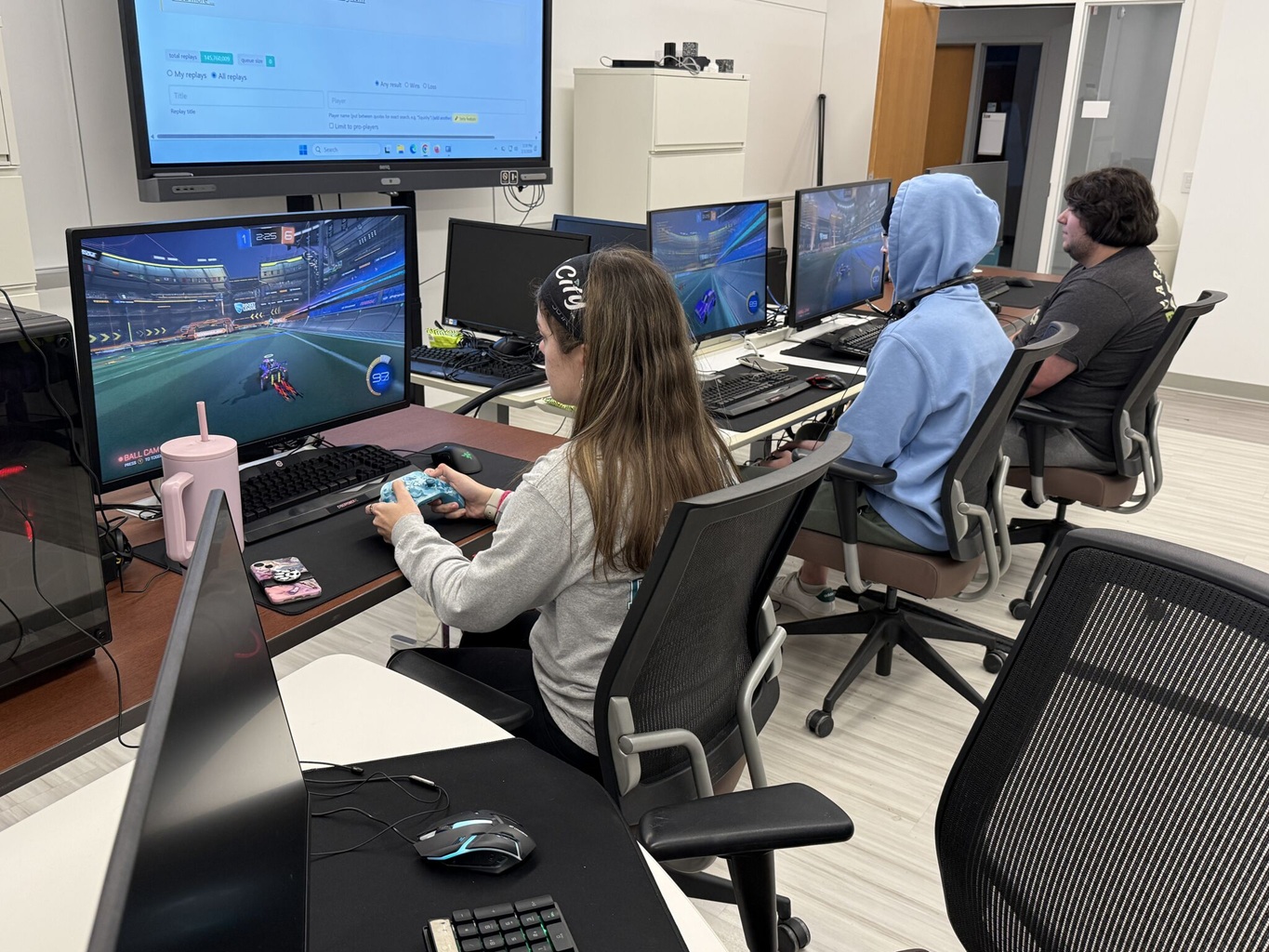
So, who’s the unbeaten team in eSports among area community colleges? It’s the inaugural Tri-C Esports team, coached by my colleague Dr. Mike Piero. The team won its most recent competition, which included Marvel Rivals, Super Smash Bros., and Overwatch. Professor Piero has devoted the significant time and energy to making eSports happen for the Triceratops. We will be attending a competition, speaking to the students, and featuring a story on eSports and their many benefits for students later in the month.
NOTABLE 60-YEAR ANNIVERSARY
Cuyahoga Community College first opened the doors at its Western Campus in Parma 60 years ago, in the fall of 1966. Before then, the site was home to Crile Hospital, which provided care to wounded veterans and also served as a POW site, during World War II. The site became Crile Veterans Hospital after World War II, and operated as such until 1964. It specialized in treating military personnel who survived severe wounds in World War II and Korea, making it back to the States for long-term treatment.
Additionally, the site at York and Pleasant Valley Roads became home for a Nike Missile Battery in the mid-1950s. These were the anti-aircraft type of defensive weapons, designed to shoot down incoming enemy bombers and missiles during the Cold War. Fortunately, the facility was never used in that capacity.
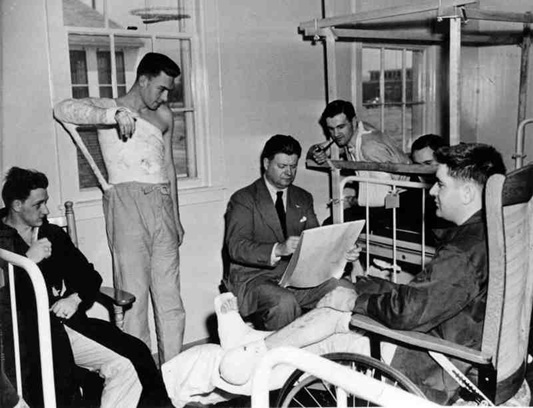
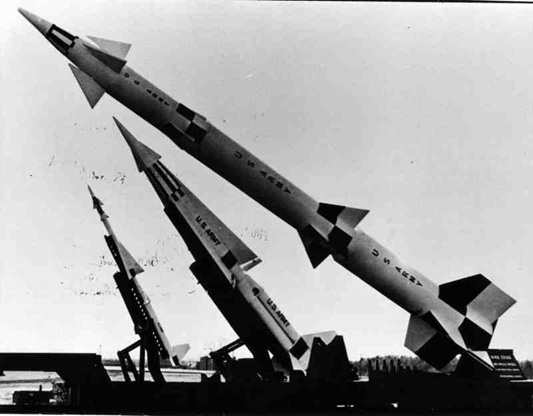
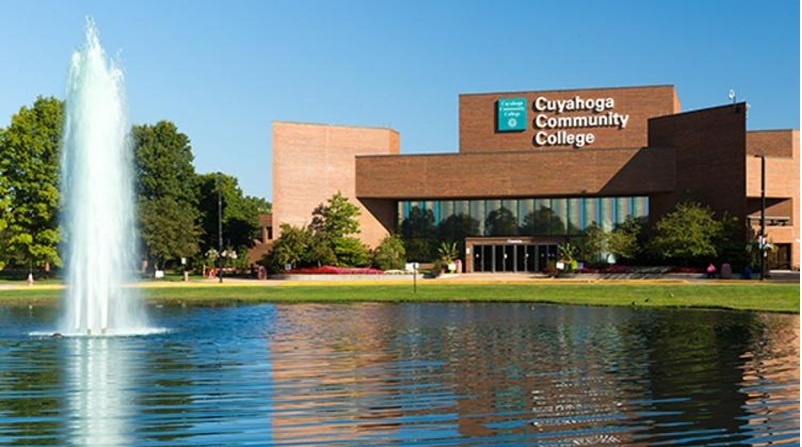
With a great assist from (then) Parma Mayor James Day, the Crile Hospital property was re-purposed to house the Western Campus of Cuyahoga Community College in September 1966. The WW2 era quonset huts were demolished and gradually new buildings took their place.
The college will celebrate its six decades of educating hundreds of thousands of people there with a special day on Thursday, April 23. There will be tours, special events, and much more. We’ll have a feature story about the festivities near the end of the month.
FINALLY
The American Revolution began in 1775, but there were many years of animosity building up between England and their American colonies in the years before then. A key event, the Boston Massacre, happened on March 5, 1770, or 256 years ago. The British called it the Incident on King Street.
British troops had been stationed in the Massachusetts Bay colony since 1768 to help enforce unpopular British parliament legislation. Relations between the colonists and soldiers were always difficult, and on a cold March morning in 1770 a crowd formed around a British sentry and began to verbally abuse him. Seven additional soldiers, commanded by Captain Thomas Preston, came to the soldier’s aid. All of them were harassed by the crowd, whose members threw stones and snowballs and wielded clubs against the Redcoats.
One of the British soldiers fired his musket at the crowd, which prompted the others to also fire. Five people died, and six more were injured in the melee. Samuel Adams, Paul Revere, and others called the event a massacre, giving it its name. The colony’s governor, Thomas Hutchinson, saw to that eight British soldiers and one office were arrested and charged with murder.
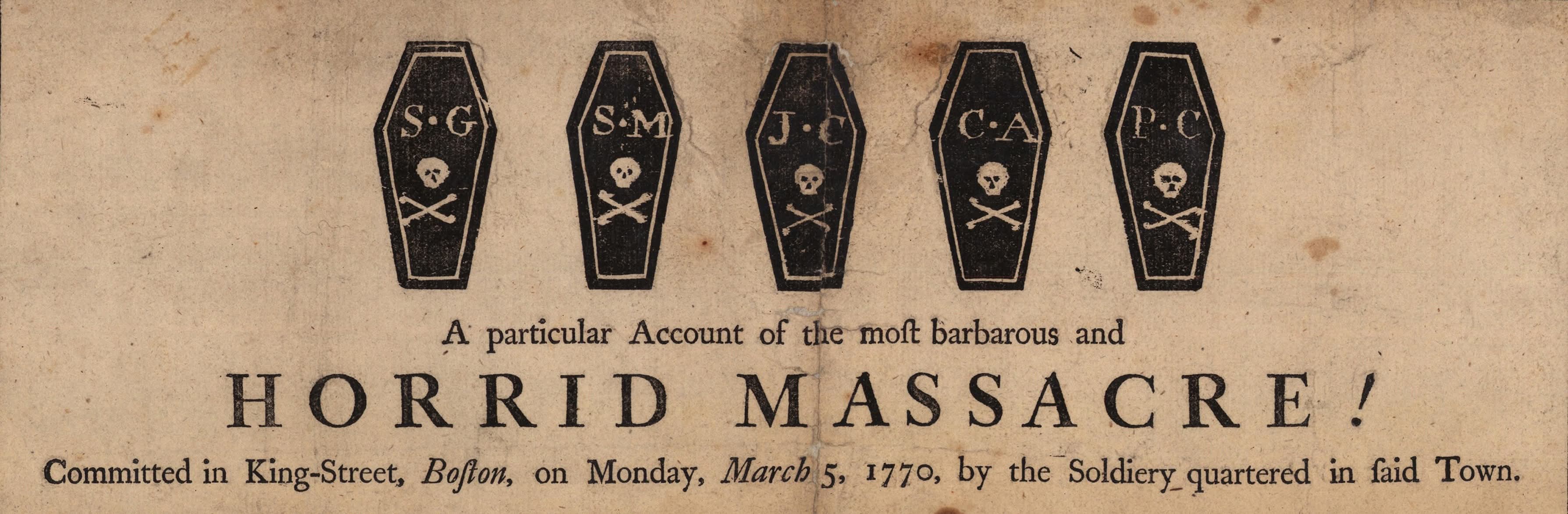
Prominent Boston attorney John Adams defended the British in court. Six soldiers were acquitted, and two others were convicted of manslaughter. One of the five colonists who were killed was Crispus Attucks, the first Black who died in the cause of American freedom. Today, the Bostonian Society reenacts the massacre annually on March 5.
About Sabin Oral Sundays in Cuyahoga County: https://amcno.memberclicks.net/sabin-oral-sundays
About vaccine hesitancy today: https://sph.emory.edu/news/study-pregnancy-offers-critical-opportunity-address-vaccine-uncertainty
Crile Hospital Photo: Artist/Illustrator Ray Prohaska drawing patient Albert Pruo (in wheelchair) at Crile Hospital in 1944. Image Courtesy of Cleveland Public Library
 eyeoncleveland