PART III (revised on June 15, 2026)
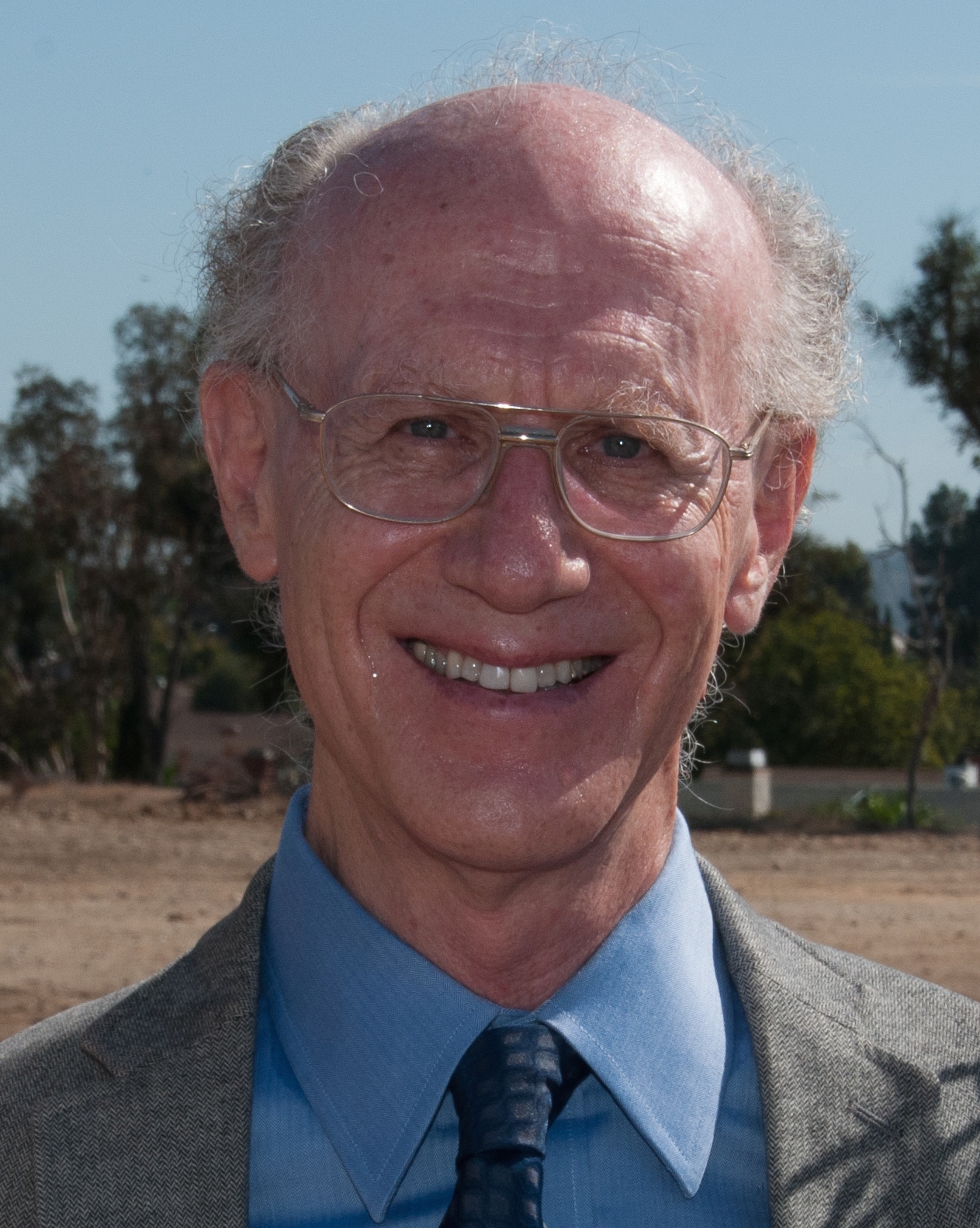
Editor’s note: Dr. Peter Salk, Adjunct Professor of Infectious Diseases and Microbiology at the University of Pittsburgh School of Public Health, and previously President of the Jonas Salk Legacy Foundation, will be speaking at the Cleveland City Club on Friday. Eyeoncleveland.com is presenting this Question-and-Answer session with Dr. Salk as part of our series of stories about the organization Grandparents For Vaccines. Links to the first two stories in this series are below. I hope that members of the media will take advantage of Dr. Salk’s return to Northeast Ohio and seek to interview him. He has availability during part of Thursday (June 11) as well as a brief period after the City Club Forum. Contact Grandparents For Vaccine’s Dr. Arthur Lavin, president/founder, at alavinmd@gmail.com if you wish to set up an interview. – John Kerezy, eyeoncleveland.com founder
Link to sthe June 12 City Club Forum: https://www.cityclub.org/forums/2026/06/12/the-salk-legacy-vaccines-and-the-future-of-public-health
Link to previous Eyeoncleveland.com stories about Grandparents For Vaccines
PART I : https://eyeoncleveland.com/2026/03/13/grandparents-unite-against-vaccine-misinformation/
PART II: https://eyeoncleveland.com/2026/03/24/how-grandparents-are-rebuilding-trust-in-vaccines/
Q: You lived in Cleveland about 55 years ago during your training at University Hospitals. What do you remember best about back then?
A: I have lots of memories from my time there when I spent two years at Lakeside Hospital doing my internship and a first year of residency in internal medicine in 1969-1971. Perhaps most significant was the day I attended a staff meeting during my neurology rotation at Abington House in early 1971 and sat across the table from a new social worker on the medical team, who caught my immediate attention. It crossed my mind not long afterwards that I might have met the person I would marry — a hunch that was solidified eight months later when Ellen and I married at her parents’ home in Pepper Pike.
Of course, there are all of the memories of the time spent with patients, fellow physicians-in-training and hospital staff at University Hospitals. And also of doing my best to keep up the interest I had developed during medical school in Baltimore (Johns Hopkins) of taking part in international folk dancing activities.
Q: In what ways do you feel you have fulfilled your father’s legacy?
A: I wouldn’t phrase it quite that way. The important thing, from my personal vantage point, is not “fulfilling” his legacy, but doing one’s best to understand just what his legacy represents and how it might help to guide us, as a species, towards more constructive and fruitful activities in support of health on all levels — individual and societal — that can move us in the direction of unfolding the full potential we carry within us.
My father had a desire since his childhood of wanting to do something to improve the human condition. He chose to pursue a career in medicine, with a particular focus on medical research, as a way of expanding the positive influence he might be able to exert with respect to reducing the burden of disease and improving the shared experience of our common desires for peace, happiness and satisfaction.
He stumbled upon a “cause”, so to speak, during his first year of medical school, when one of his professors informed students that it would not be possible to create vaccines against viral diseases such as influenza or polio by using “non-living” components of the viruses that caused such diseases, since the only way that protective immunity against a viral disease could be developed was for the body to experience an actual infection produced by the living virus.
Since it was possible to protect against some bacterial diseases (tetanus and diphtheria) by using chemically inactivated bacterial toxins, my father didn’t understand why the same kind of approach could not be taken with viral illnesses as well.
He had the opportunity while still in medical school to work with a professor on a project designed to explore the prospect of producing and testing a vaccine against influenza using non-living, inactivated influenza viruses, and my father continued to work on this program with his mentor’s team after completing his medical training. The joint effort was successful, and resulted in the development of the first effective vaccine against influenza in studies carried out during World War II.
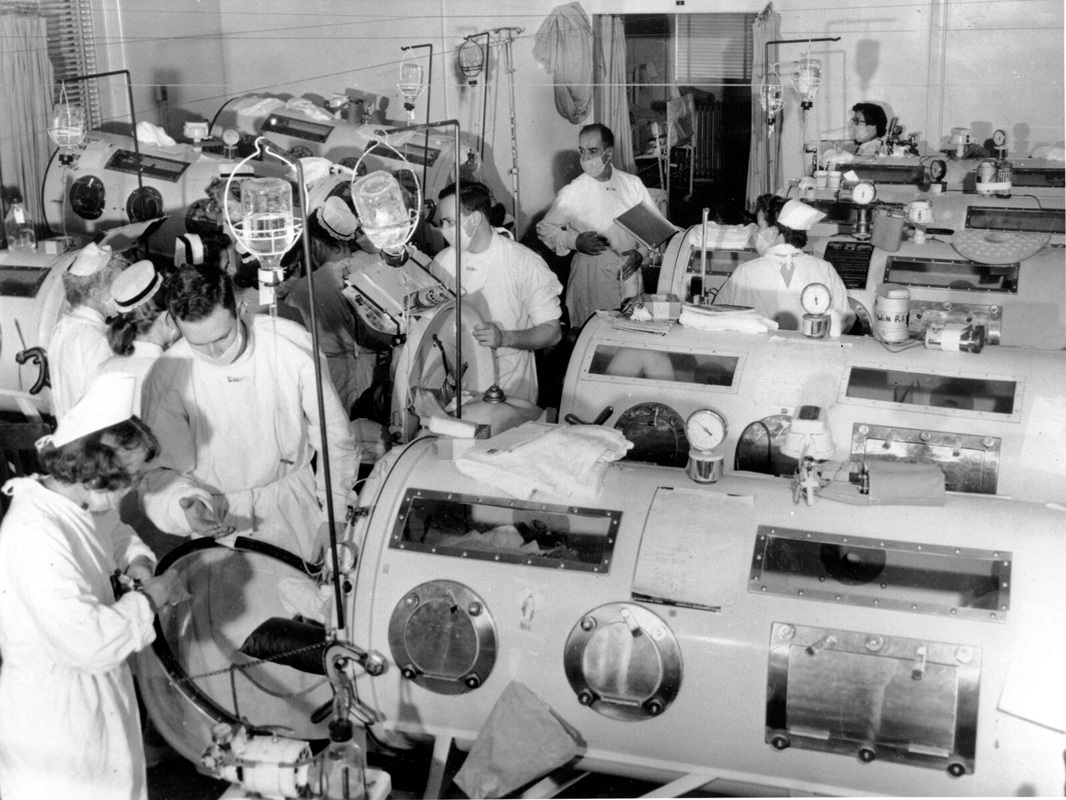
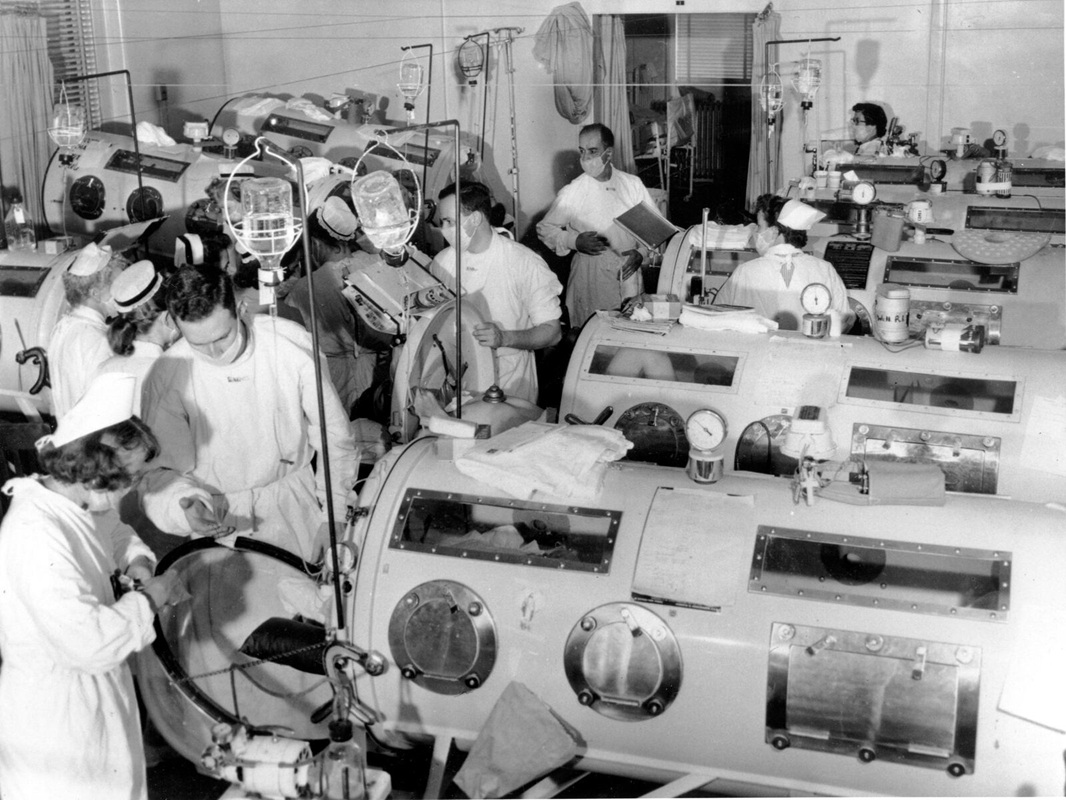
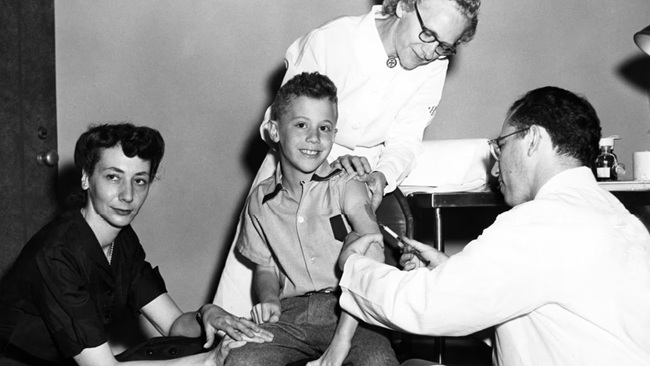
After that work was complete, my father had a similar opportunity, at the University of Pittsburgh, to focus the efforts of his own new research team on attempting to create a vaccine against polio, perhaps then the most feared disease in this country, which paralyzed and killed large numbers of children in waves of summer epidemics. He and his team took the same approach with this second vaccine program, using chemically-inactivated polioviruses, and succeeded in producing a vaccine that was introduced for use in 1955 after a massive national field trial, and which ultimately has led to the complete elimination of polio in the U.S.
After this second successful undertaking, my father turned his attention to creating a new institute for experimental medicine, in La Jolla, California (the Salk Institute for Biological Studies) and continued to do research related to cancer, multiple sclerosis and, towards the end of his life, a vaccine against HIV/AIDS.
During the period following the polio vaccine success, he also began to think deeply about the nature of the problems confronting humanity on all levels, and began to write and lecture about these issues, with a focus on what changes we would need to make in our attitudes and behaviors if we wanted, both as individuals and as a species, to fulfill the potential that had developed within us over the course of our evolutionary history.
He wrote four books: Man Unfolding, The Survival of the Wisest, World Population and Human Values: A New Reality (coauthored with my brother, Jonathan, his youngest son), and Anatomy of Reality: Merging of Intuition and Reason. His acceptance speech when he received the Jawaharlal Nehru Award for International Understanding in 1977 bore the title: “Are We Being Good Ancestors?”.
With all of that as background, I will return to your question and say that I have made an effort during my lifetime to convey an understanding of what my father was all about, with respect to his impacts on major human health problems in the sphere of infectious diseases (influenza and polio), more generally on biological research through his creation of the Salk Institute, and perhaps more importantly, from his perspective, on charting a conceptual course towards a more constructive and cooperative evolution of our large-scale societal interactions. Taking full advantage of the moral and intellectual legacy that he has left through his creative pursuits is something that I would hope to see unfold over the course of many generations. His work and his ways of thinking stand to contribute an additional measure of wisdom to our pursuit of a healthier and happier human society. In that light, anything that I am able to do to provide further understanding of the meaning of his life, in each of the areas I have mentioned, gives me a sense of satisfaction that I am doing what I can to help humanity find its way towards a more harmonious and healthy future.
Q: What would your father think of today’s vaccine hesitancy?
A: I believe that my father would be understanding of people’s desires to feel a sense of comfort that they are making the best decisions with respect to their own health and to the health of their families and communities. I think that he would hope that the lessons of history would not be forgotten, where we have seen, for example, the complete eradication of smallpox in 1979, a viral disease that in the preceding 100 years had killed around half a billion people around the world, the near eradication of polio in our present era, and the bringing under control of dangerous and deadly infectious diseases of childhood, all through the use of vaccines. I am certain that he would encourage people to continue to take advantage of vaccines to protect themselves, their families and those around them — always, of course, keeping in mind that wise decisions need to be made to ensure that vaccines are employed in the safest and most effective possible fashion.
Q: What message do you plan to bring with you to Cleveland at the City Club Friday?
A: We’ve come through some difficult times, particularly with the ravages of the recent COVID pandemic, which disrupted not only individual lives but also major elements of our societal patterns. Let’s keep our vision, to the extent that we can, on working together collectively both to create and maintain health-promoting behaviors and activities — including the wise use of vaccines that protect against diseases that we would not like to see return as major causes of illness, protecting the environment that we depend on for our sustenance, and relating with openness and positivity with those in other countries and from other backgrounds in order to create and maintain a world family united in the desire to bring about and perpetuate a flourishing of our global human society.
Q: What’s the best way today’s citizens can make educated and informed decisions about their own health in this era of so much disinformation and mal-information?
A: We’re confronted today with the need to absorb, understand and make good use of an enormous amount of information — some helpful and sound, some less reliable, and some perhaps intended to be deceptive for various purposes. It can be overwhelming trying to digest it all, particularly if the information is in areas with which we may not have much familiarity. Perhaps, in the realm of health, one resource to make use of would be one’s own health care providers, who, as professionals, will have been keeping abreast of developments in their spheres of expertise and should be able to discuss concerns or issues one may have in order to help us think through what would be the most useful courses of action to take given our own personal circumstances. If one is fortunate enough to have one or more such trusted relationships, this might be a good way to seek some guidance in thinking through the often-complex decisions that we need to make in the spheres of our own health and the health of our families and communities.
Q: Do you have any connections with Cuyahoga Community College?
A: I have a bit of an indirect connection with Cuyahoga Community College in that my father-in-law, who owned a jewelry store in Pepper Pike, took a number of art courses at the Tri-C Eastern Campus. He was a skilled painter and potter (and a philosopher at heart), at the same time as running his business, along with Ellen’s mother. Schreibman Jewelers was a beloved part of the East Cleveland community, and provided ongoing support for the Cleveland Orchestra.