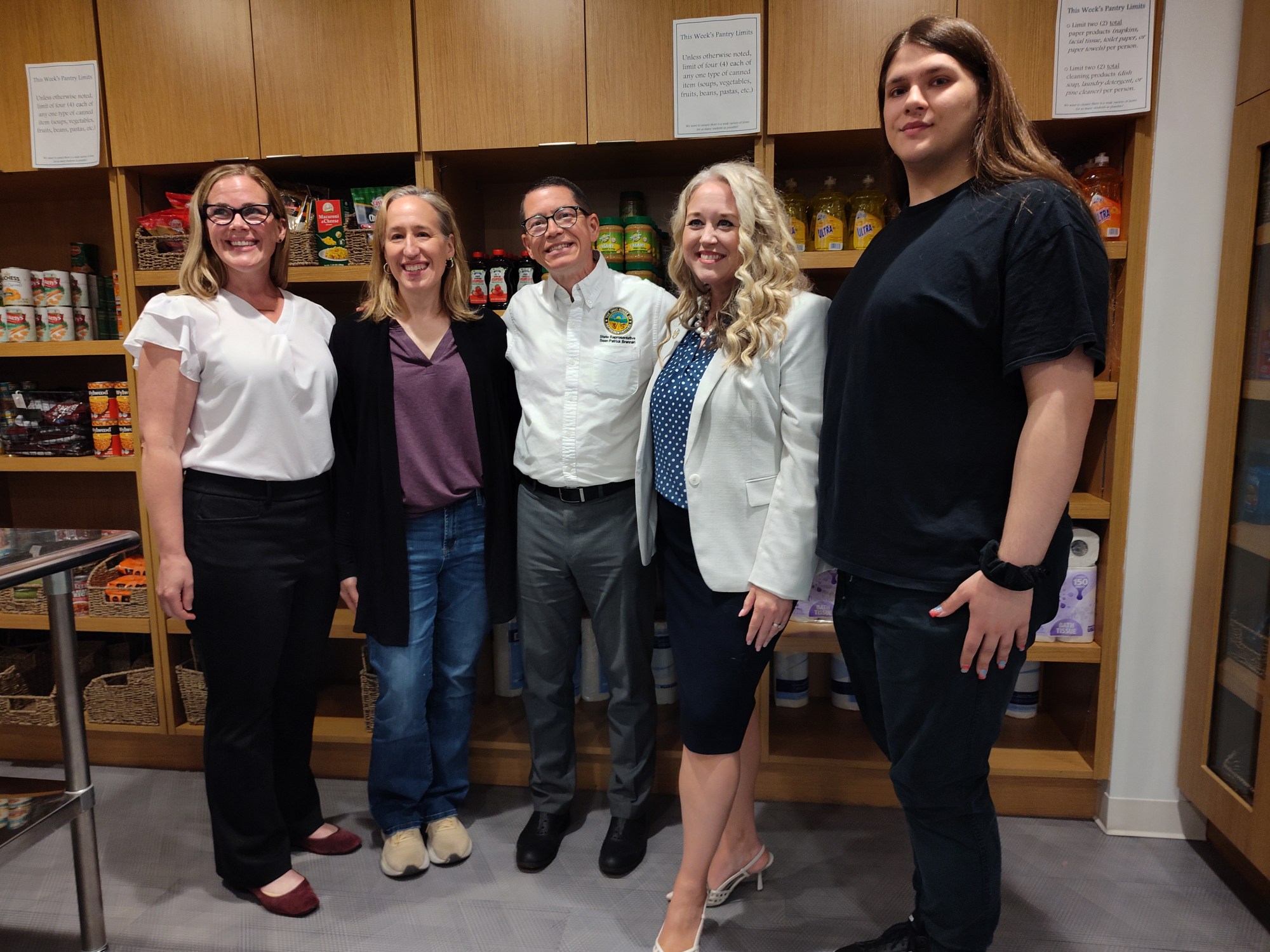
PARMA, JUNE 19 – Rep. Sean Brennan (D-14, Parma) wants to help bolster college graduation rates — improving the brain power of Ohioans — by addressing a most basic need: food insecurity.
Rep. Brennan and Rep. James Hoops (R-81, Napoleon) introduced HB 157, the Hunger-Free Campus Act, in 2025. It’s one of many well-thought-out pieces of legislation that still might not make it through the Ohio General Assembly in 2026.


If adopted, the Hunger-Free Campus Act would provide $1.25 million for two years, or just $625,000 a year, to the Dept of Higher Education (ODHE) to create a Hungry Free Campus designation for colleges that meet benchmarks and offer other programs. ODHE would also provide grants that could be utilized to either get new hunger-fighting programs off the ground at colleges without food programs, or enhance already-existing programs.
The act would also help eligible college students enroll in the U.S. Dept. of Agriculture’s Supplemental Nutrition Assistance Program, SNAP. Some food-insecure college students aren’t even aware of how the program can assist them.
ADDRESSING A GROWING PROBLEM
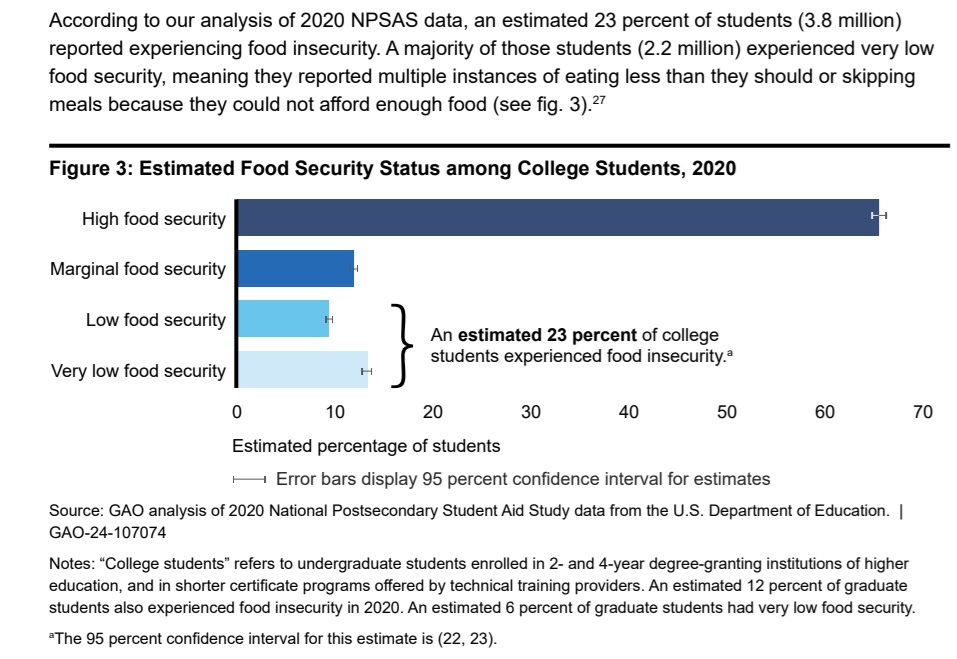
The U.S. Government Accountability Office (GAO) reported in 2024 that 23 percent of college students, or 3.8 million young adults, had experienced food insecurity in 2020. A majority of those, 2.2 million, had very low food security, meaning they reported multiple instances of skipping meals or eating less than they should simply because they could not afford enough food. (See a link to the full report below.)
By analyzing Department of Education data, the GAO also estimated that 59% of these food-insecure students (about 1.2 million) met student-specific SNAP criteria by working at least 20 hours a week at a paid job but did not report receiving SNAP benefits.
Locally, research conducted by Cuyahoga Community College (Tri-C)’s Institute for Economic Mobility amplifies the GAO’s findings. An April 2025 survey of 691 Tri-C students indicated that:
- The majority (52.4%) could not afford their living expenses or were unsure of funding. Only one-third (33.3%) were sure they could afford both college and living expenses.
- When responding to the question “What do you most need?” a plurality of students with economic struggles (115 students) cited food as their No. 1 need, more so than college tuition assistance (72 students) or housing (71 students).
- When asked “Do you have to skip meals because you have run out of money?” nearly one-fifth of the students (18.4%) answered that they skip meals at least once a month, and almost 10 percent (9.5%) skip meals once a week.
“The Institute for Economic Mobility’s Spring 2025 survey of student needs indicates that about one third of Tri-C’s students are food insecure…” wrote Julia Krevens, Ph.D., associate professor of psychology and principal author of the Student Needs Assessment report. Krevans adds that the majority (56.2%) of Tri-C students in the survey report taking semesters off their studies, and the most frequently given reasons for that were financial; being unable to pay for living expenses and college. (See complete survey results and report at the end of this story.)
Sarah Kuhns, external affairs manager of the Ohio Association of Foodbanks, believes that H.B. 157 would successfully help overcome food insecurity for college students.
“The Hunger Free Campus Act would incentivize colleges and universities to establish basic needs programs, like an on-site food pantry or emergency assistance grant programs, as well as connecting students to resources,” Kuhns said in testimony supporting the legislation. She adds that the Ohio Association of Foodbanks is working with more than 30 Ohio colleges and universities to create food pantries or to distribute food to students struggling with food insecurity.

OHIO ASSOC. OF FOODBANKS

COUNSELOR, TRI-C
MENTAL HEALTH WOULD BENEFIT AS WELL
David Nardecchia, Clinical Counselor/Assistant Professor of Counseling at Tri-C, helps hundreds of students with serious outside issues each semester at the college, including housing and food insecurity.
“I have had students all the time who have made a very difficult decision to drop out of college because they have to work to feed their families,” Nardecchia says. “Students will tell me that they must leave the college. The most common reasons they give are that they need a roof over their heads or food in their bellies, and the need for income is driving them into survival mode.”
Nardecchia adds that some academic professions require total dedication to studies. “There are areas of study which really don’t provide extra room or time for a full-time job. I’d say that food insecurity is one of the top three impediments preventing students from graduating from the college.”
Nardecchia adds that a lack of meals can exacerbate mental health challenges for some students. “A lot of our students have limited access to health care, and can’t get the physical care or mental health care they need.
“Mental health care providers right now are overwhelmed,” Nardecchia says. “A decent percentage of the students with mental health challenges also have food insecurity and housing insecurity, negatively impacting their daily living.”
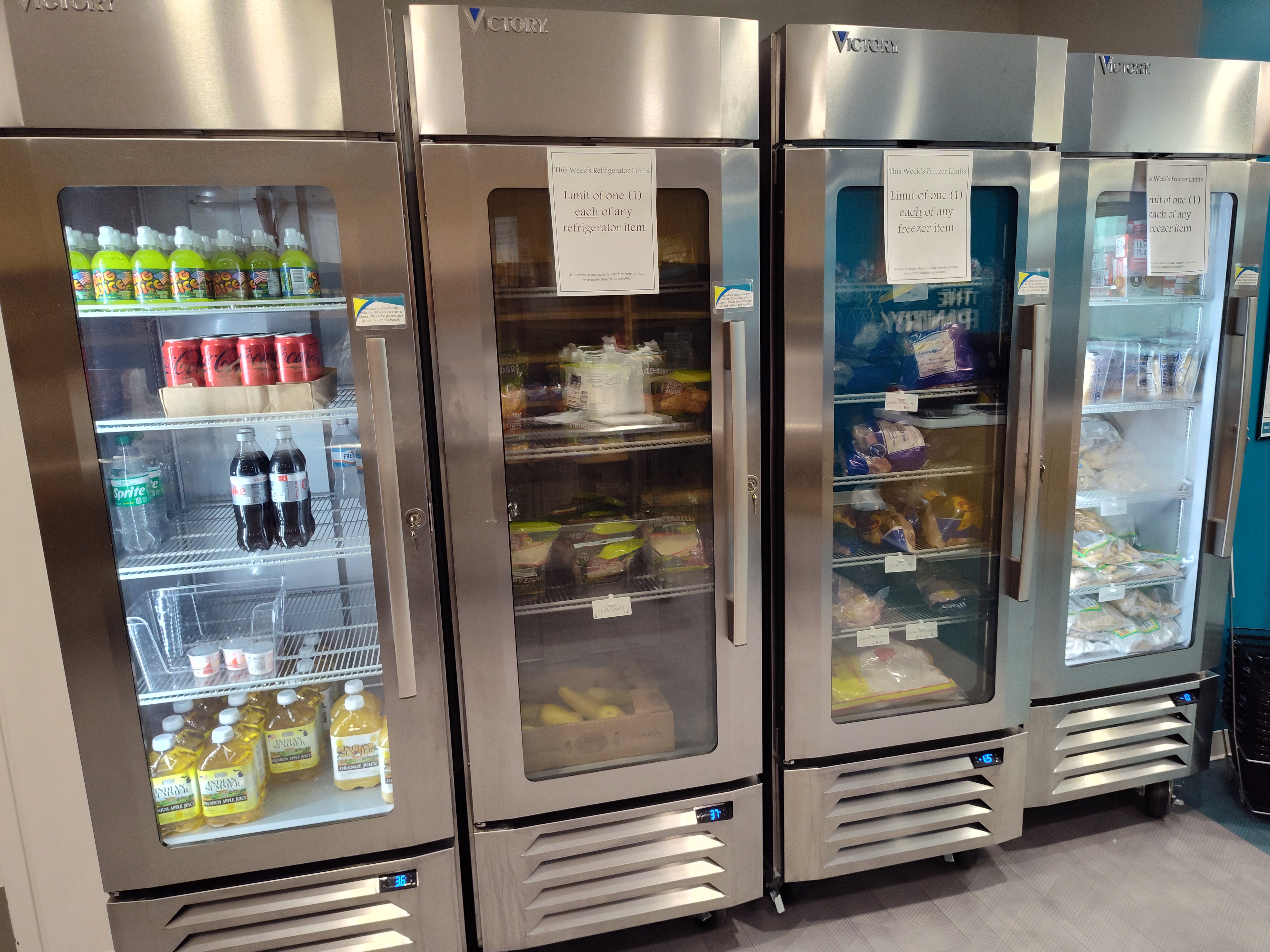
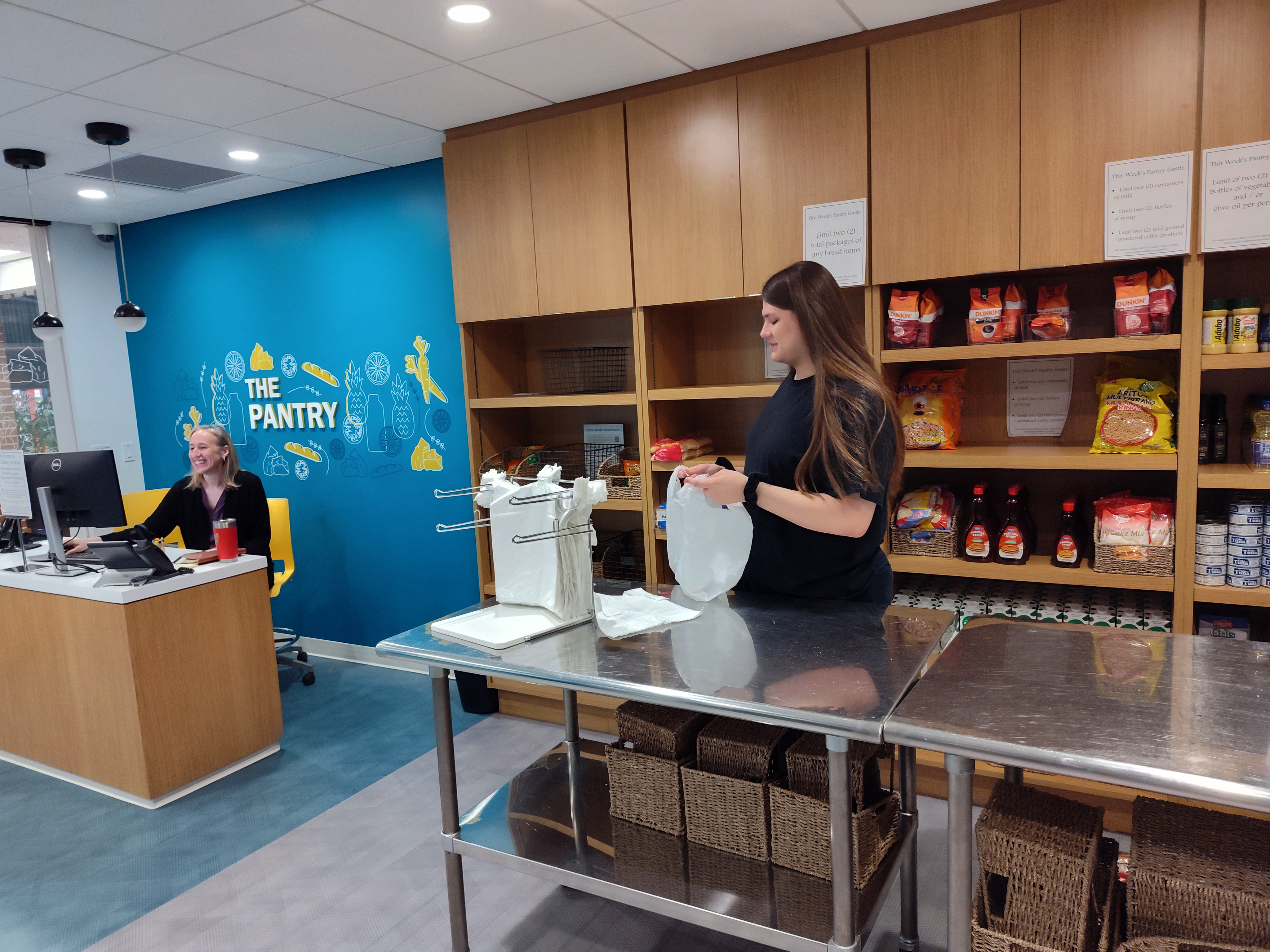
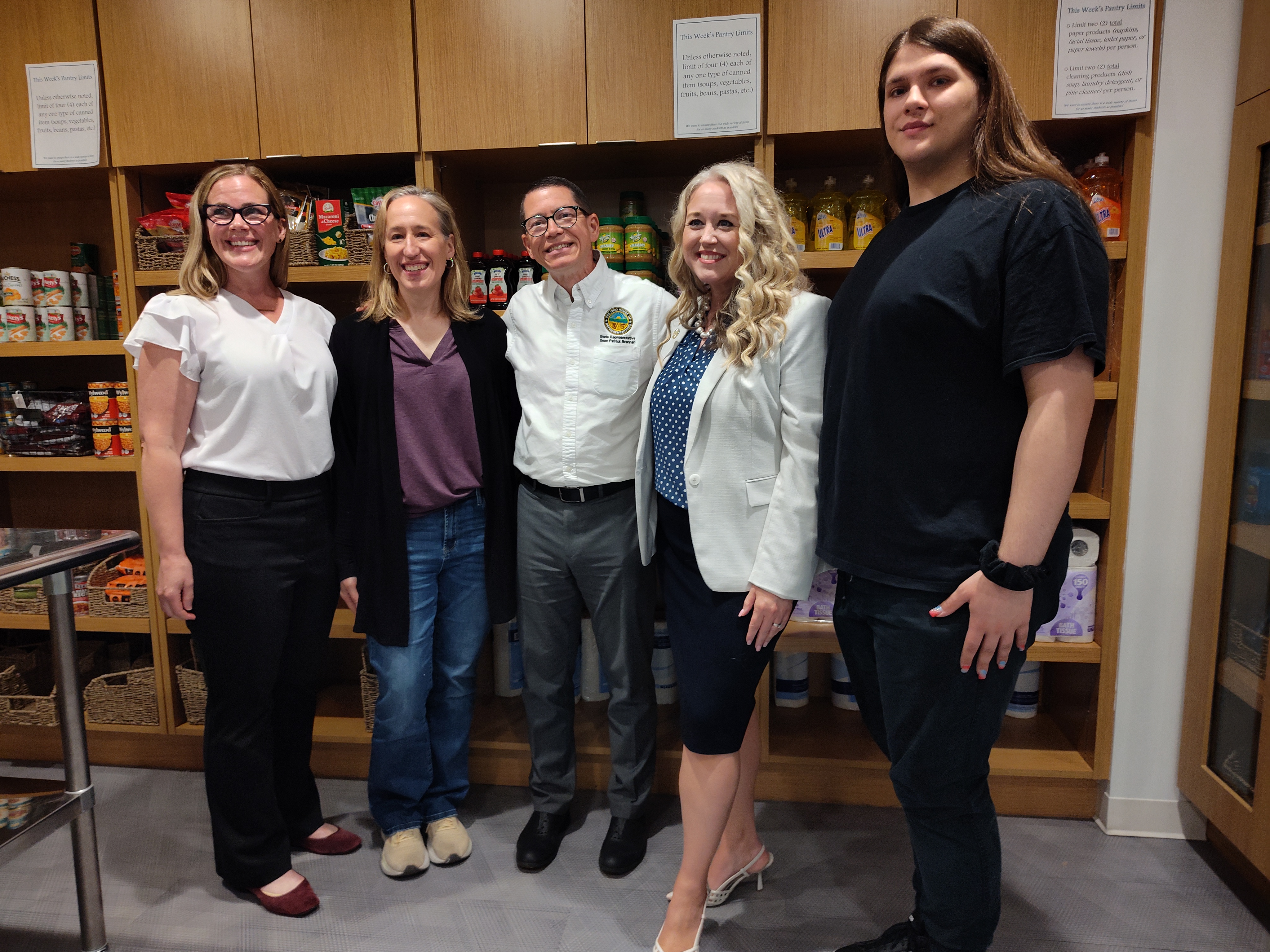
One of the ways that Cuyahoga Community College combats food insecurity has been through the establishment of food pantries at its four main campus locations: Metropolitan, Western, Eastern and Westshore. The Western Campus food pantry, funded in part by a generous donation from Medical Mutual of Ohio, is open two days a week to students during the summer academic semester, which runs now through August 2..
IMPROVING OHIO’S BRAIN POWER
There were about 314,000 undergraduate students enrolled in Ohio colleges in 2025-2026. The GAO data means at least 62,600 of them (20%) are facing food insecurity. Therefore, tens of thousands of Ohio collegians would directly benefit from passage of HB 157.
Rep. Brennan, a former public-school educator, points out that virtually every school district in Ohio participates in federal-funded programs to provide nutritious lunches and/or breakfasts for food-insecure K-12 students.
“Just because you graduate from high school, it doesn’t mean you’re suddenly food insecure,” Brennan notes. “Food insecurity precludes some Ohio high school graduates from even trying to attend college.
“This bill is an investment in our future,” Brennan adds. “We’re very desirous of increasing college graduation rates in the Buckeye state. By investing in helping eliminate food concerns for students in higher education, we help more of them graduate, and that helps all of Ohio economically at the end of the day.
“An educated citizenry is an excellent investment in a strong economy for Ohio,” Brennan adds. “This small sum of money can have a tremendous impact. We’re investing in our own people’s future with this bill.”
ADDITIONAL LINKS (see more below as well)
News release on Rep. Brennan and Hoops’s legislation: https://ohiohouse.gov/members/sean-p-brennan/in-the-news/ohio-lawmakers-introduce-bill-that-would-help-college-students-combat-food-insecurity-5625
Cuyahoga Community College Food Pantry: https://www.tri-c.edu/student-life/student-food-bankpantry.html
Ohio Association of Foodbanks: https://ohiofoodbanks.org/
John Kerezy, who’s seen food insecurity firsthand as an associate professor of media & journalism studies at Cuyahoga Community College, is the founder of eyeoncleveland.com and the author of this story.
SOURCES CITED
Interview with Rep. Sean Brennan, June 2, 2026
Link to the full, 31-page GAO report, titled Estimated Eligibility and Receipt among Food Insecure College Students: https://www.gao.gov/assets/gao-24-107074.pdf
Supplemental Nutrition Assistance Program: Estimated Eligibility and Receipt among Food Insecure College Students | U.S. GAO https://share.google/waDufIQzDBECbN5Jf
2 in 5 college students face food insecurity – colleges are working to help : NPR https://share.google/NxSF4wyiEmgRDox6c (Not used for the story)
Link to the Institute for Economic Mobility report (embedded just above)
Ohio Capital Journal, https://ohiocapitaljournal.com/2025/05/27/supporters-say-hunger-free-campus-act-would-benefit-ohio-students-well-being/
Interview with David Nardecchia, June 17, 2026
Here’s a look at Ohio preliminary enrollment numbers for public universities and community colleges • Ohio Capital Journal https://share.google/El9i8BfwYyuvHE0ta
 eyeoncleveland