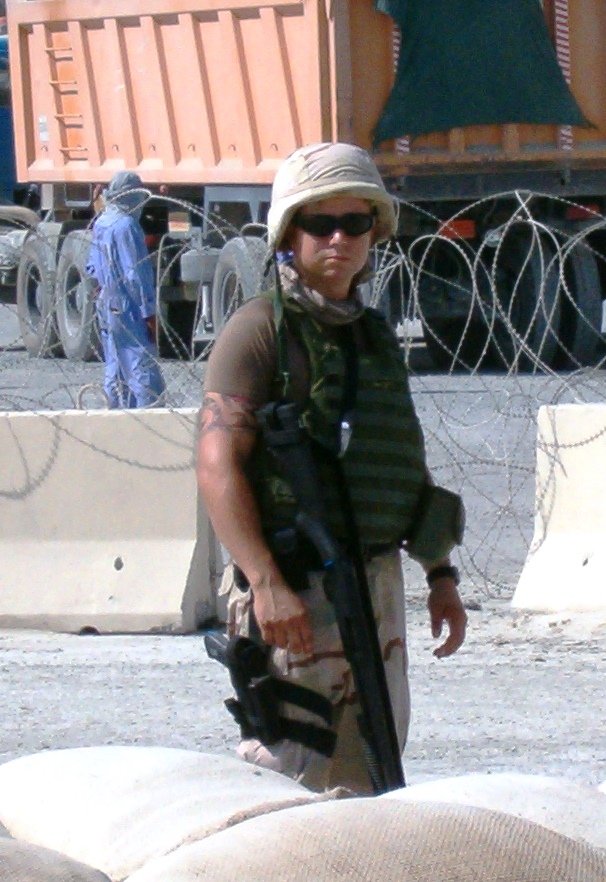
CUYAHOGA FALLS, SEPT. 4 – Medina’s Sam Morgano re-enlisted into the military, this time in the Navy Reserves, in March 2001. Once the terrorist attacks of 9/11 happened, he knew he’d be sent into action. Three recalls and two deployments into active combat zones left him empty inside.
“I was thrown back to my home life and to my reserve center, which was in Toledo, but I was alone and isolated,” he recalls. “No one I was deployed with was nearby, and I couldn’t go out for coffee with a Navy buddy and talk about what we’d experienced. I just started to isolate, and no one really came up to me in depth to inquire how I was doing.”
Morgano attempted suicide.
Twice.
His wife MaryEllen insisted that he get treatment.
“I went to the VA (Veteran’s Administration), answered all their questions honestly for the first time, and was fast-tracked into a good treatment program,” he says. “Until I saw words post combat stress disorder on my chart, I had no clue.”
“The therapy was good, but there was still something missing.”
THIS IS THE SECOND IN A TWO-PART SERIES ABOUT THE 25TH COMMEMORATION OF 9/11. HERE’S A LINK TO THE FIRST STORY IN THE SERIES: https://eyeoncleveland.com/2025/09/10/their-sacrifice/
What Morgano faced is typical, especially for veterans of the Army, Navy, Air Force, Marines, and Coast Guard who served in the Global War on Terror.
“Veterans transitioning from military to civilian life face challenges involving identity, purpose, mental and emotional health, employment, finances, and relationships. Leaving the military can mean losing structure, camaraderie, and a sense of belonging. Some veterans struggle to find meaningful work, adjust to family life, or seek help for emotional difficulties,” says Bill Young, a former Air Force serviceman. “These challenges can lead to isolation, unhealthy coping, hopelessness, and, for some, suicidal thoughts. Ultimately, successful transition requires rebuilding purpose, relationships, stability, and a sense of community.”
Morgano, Young, and other veterans found answers and help existed through Military REBOOT, a 12-week, faith-based, peer-led course designed to help veterans, active-duty service members, and their families heal from service-related trauma.
Military REBOOT brought healing, peace, and answers to Morgano. It helped save his life.
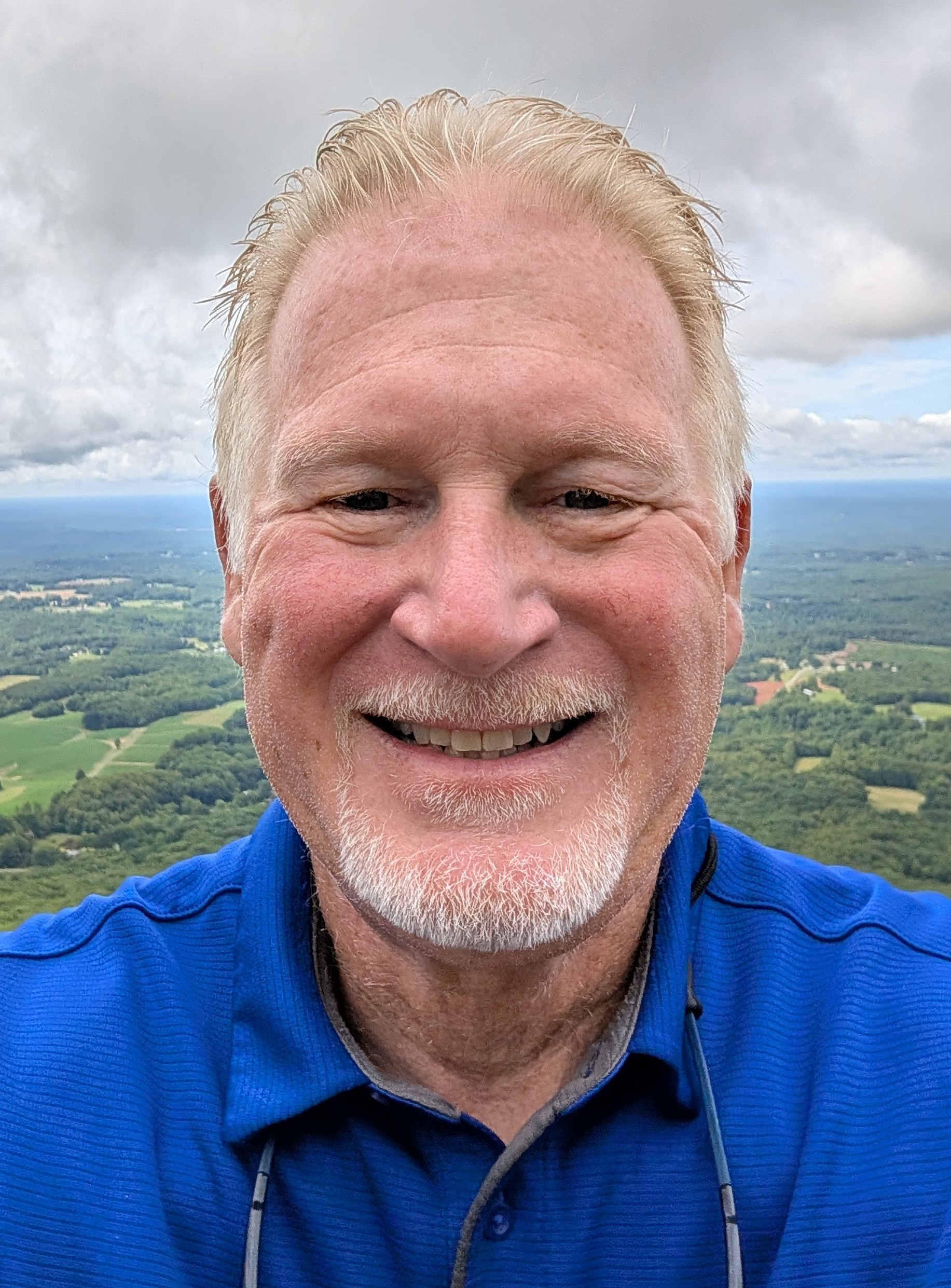
“We learn about Soul Wounds in this program, and how we need God in our recovery journey,” Morgano explains. “Before this, I was hiding pain that I didn’t want to deal with. Satan was feeding me little lies, all the way down inside me. Military REBOOT helped me to disbelieve those lies, and to understand that God would forgive me and heal me.”
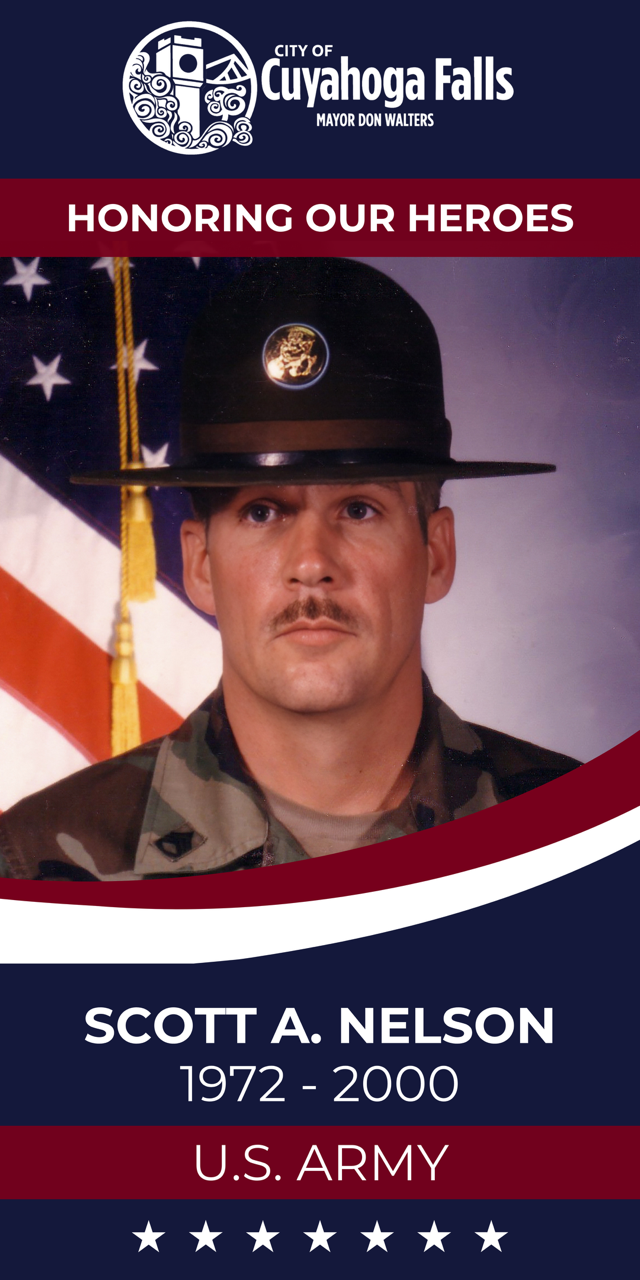
Scott Nelson, an Army veteran who has helped lead military support groups, points out that military veterans like Morgano must battle a horrific clash of values.
“When soldiers go to combat, they face things that are totally contrary to values there were taught as a child growing up. The things they did and the things they saw may have went completely against their belief systems, it was required of them – and now they live with those memories and scars, even on their souls,” he explains. “If someone is not helping them down the path of forgiveness, those wounds can ultimately destroy them.”
“The general public neither sees nor understands this. All they might know is that 22 veterans a day commit suicide,” Nelson adds. “Military REBOOT gets to the heart of the problem, the condition in the souls of the returning warriors.”
Young points out that the military culture – great for warfare – impedes recovery once that warrior is a civilian again.
“Military culture often emphasizes strength, independence, and handling problems without asking for help, and civilians have never experienced what combat, military life, or transitioning back to civilian life,” he says. “That makes it difficult for the general public to understand what veterans are going through.”
HOW MILITARY REBOOT WORKS
Nelson explains that one reason why Military REBOOT is that it first diagnoses the impediments to recovery that veterans all face.
“One section of program discusses the four primary default responses that all veterans leaving the service face from minor to major effects.,” Nelson says
- “First, we deny, in the face of trauma, that a problem or issue even exists.
- Next, we cry, as we are forced to grasp the extent of the damage trauma has caused, we experience a tidal wave of complex emotions. Rage, sudden panic and sadness sweep over without notice.
- Then we numb, trauma reduces the defense systems of our heart and mind and leaves us more vulnerable to making unwise choices: sex, drugs, shopping, video games, alcohol, self-harm, social media and dozens of other distractions.
- We run, sometimes from numbing agent to numbing agent, and tragically we might run from one traumatic experience to another. When we run, we invest our time in distractions rather than working to build a life that’s worth living. If we are not careful, we can spend the rest of our lives, running.”
Military REBOOT’s success is also rooted in the fact that it is a faith-based trauma heeling course.
Christ can heal wounds that traditional counseling may not fully address because trauma affects more than the mind—it can affect the heart, identity, purpose, relationships, conscience, and soul,” Young says. “Christ offers forgiveness for guilt and shame, restores identity and purpose, replaces hopelessness with hope, and provides strength to face the past without being defined by it.”
“This program is a slow walk to confronting any guilt, shame and regret that veterans have,” Young adds. “We then go into the area of forgiveness, forgiving others and yourself, and then restoring yourself in Christ. Veterans can find acceptance, healing, and the assurance that they do not have to carry their wounds alone.”
Morgano went from going though a Military REBOOT course to offering the course for other veterans. The next program he leads will be at Christ Church in Columbia Station beginning on Monday, September 14. This is convenient for veterans in southwest Cuyahoga County, western Medina County, and southeastern Lorain County. Here’s the link: https://christchurchohio.org/events/?calendar=57a78b4b-5f50-4bde-87e5-425f224a9bfd&event=fqyTF7SxYj4—-Military+Reboot+-+Columbia+Station
Riverwood Community Chapel’s Military REBOOT begins virtually, online, on Monday, September 14. Riverwood is in Kent on the Stow-Kent border, and is convenient for veterans in Portage County, Summit County, and southeast Cuyahoga County. But because it’s online, anyone anywhere can participate. Here is the link: https://riverwoodchapel.churchcenter.com/registrations/events/3779160
EFFECTIVE? ABSOLUTELY!
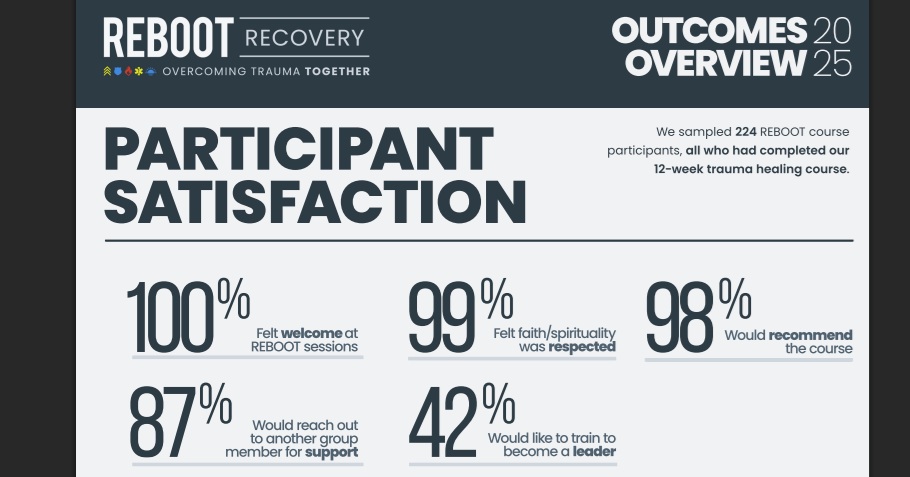
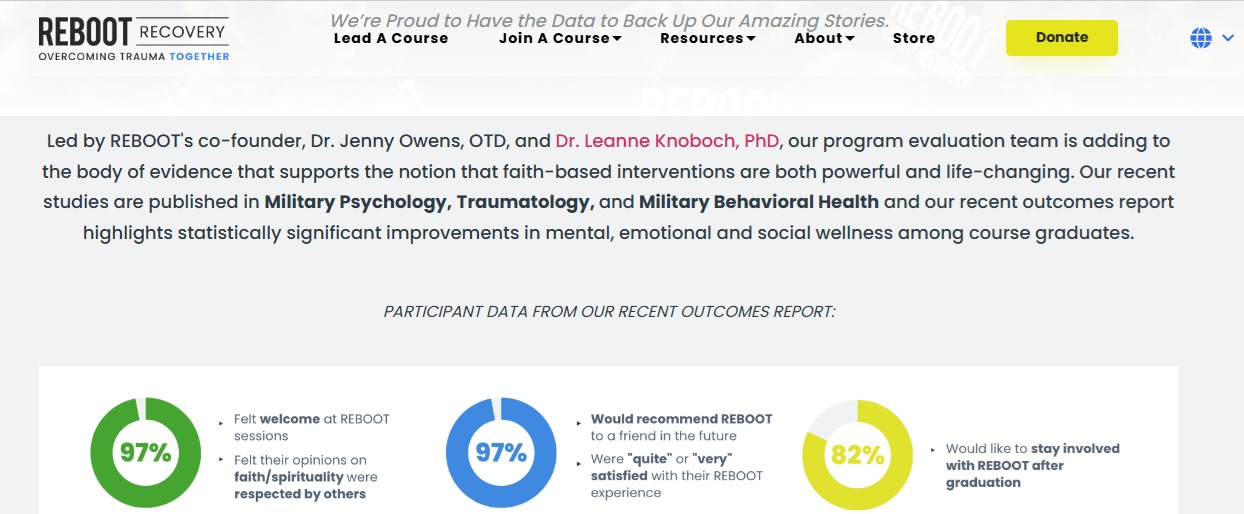
An active Military REBOOT evaluation program has developed an impressive body of evidences which supports the fact that faith-based interventions succeed. Course graduates report statistically-significant improvements in mental, emotional and social wellness among course graduates.
Military Psychology, Traumatology, Military Behavioral Health, and other publications have run stories chronicling the powerful and life-changing benefits of programs like Military REBOOT. About 97 percent of course graduates would recommend REBOOT to a friend, and 82 percent want to stay involved with the program after graduation. (See graphs below.)
Military REBOOT is a non-profit based out of Tennessee. Here’s a link to its main website:
https://rebootrecovery.com/en/military.
John Kerezy, eyeoncleveland.com founder, wrote this story

