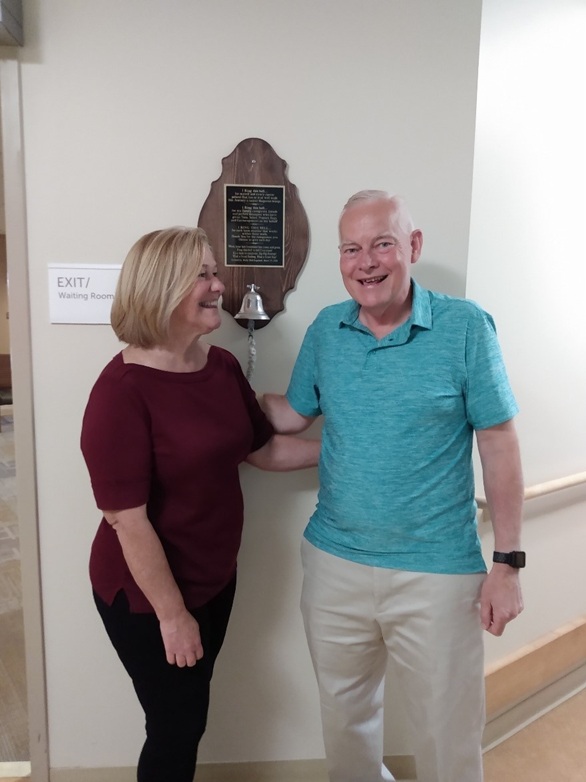
By JOHN KEREZY, eyeoncleveland.com founder
APRIL 21, 2026 – Today is day 222 of fiscal year 2026 for the federal government of the United States. Washington DC begins its fiscal year – the time for which Congress is obligated to initiate and approve appropriations – each October 1. Of these 222 days since then, We the People have now spent more than half of it, 112 days to be exact, dealing with a shutdown of some or most of the federal government’s operations.
The last, well-publicized shutdown happened at the beginning of the fiscal year, going 43 days in October and November. That was the longest shutdown in U.S. history. Both Houses of Congress agreed to stopgap funding (of two weeks) after another three-day shutdown at the end of January.
After the two-week agreement ended, another prolonged partial government shutdown began on February 14, 2026, impacting the U.S. Dept. of Homeland Security due to failed negotiations over immigration reforms and the operation of ICE. That was 66 days ago, making this now the longest shutdown in U.S. history. And it’s still happening today, harming agencies like the Coast Guard, the Transportation Security Agency, and FEMA.
Perhaps we’ve forgotten (all too soon) the unpaid workers and staff shortages TSA experienced at the nation’s airports. President Trump issued an executive order to pay TSA workers in early April. But that order didn’t end the shutdown.
Tens of thousands of government workers, over 35,000 according to the Federal News Network, who aren’t with TSA, have gone without paychecks as a result of this February 14 shutdown. This includes the U.S. Coast Guard.
Could you go for two months without receiving a paycheck?
But here’s the bigger concern – How long could you go without doing your job?
If you’re a member of Congress right now, you are negligent in your most basic duties.
Article I, Section 8, specifies that Congress has the power to “lay and collect taxes … to pay the debt and provide for the common defense and general welfare.” (Spending Clause)
Article I, Section 7, requires that all bills for raising revenue must originate in the House of Representatives. (Origination Clause)
Article 1, Section 9 states, “No money shall be drawn from the Treasury, but in consequence of appropriations made by law (Appropriations Clause).
Let’s face the most obvious fact here: Congress is failing the American people. Its inability to do its most basic Constitutional obligations bodes horribly for our future.
We have a myriad of complex challenges facing us right now. Our federal debt exceeded $39 trillion in mid-March, according to the Peterson Foundation. Interest alone on this debt now exceeds $1 trillion a year.

Here are just two of those many challenges: According to the Social Security Administration (SSA), its Old-Age and Survivors Insurance (OASI) Trust Fund will exhaust funds in FY 2033, or beginning in October 2032. By law, if nothing changes, there must be mandatory cuts in monthly pension benefits then.
The SSA is also now projecting that the Hospital Insurance fund for Part A of Medicare will be unable to fully pay scheduled benefits after 2033.
Various sources cite different numbers, but many reports say there could be a cut of 22% in monthly Social Security pension checks come Fall 2032 and an 11% reduction in Medicare Part A hospital payments come Fall 2023.
How are you feeling about Congress’s ability to tackle problems such as these? Would you agree that there needs to be some changes and restraints on what our government spends?
The answer – the only answer according to our Constitution – is to hold an Article V Convention of States to force the federal government to reform its ways.
If what you are reading is alarming, go to the Convention of States website and learn more. Then, if you agree, sign the petition too. Here’s the link.
https://conventionofstates.com/
+ + + + +
Near the end of this week, Cuyahoga Community College will launch several months of activities celebrating the 60th anniversary of its Western Campus. The college offered its first classes at the Western Campus in September 1966, but the grounds of Tri-C West have a deeper history.
Once farmland, property at the intersection of York and Pleasant Valley Roads in Parma took on a life-saving purpose during World War II. The U.S. Army Department’s Medical Corps established dozens of “Zone of Interior” hospitals across the country to treat the hundreds of thousands of injured GIs returning home, primarily from the Pacific and European Theaters of Operations.
One of those hospitals was built in the Cleveland area. Named after Dr. George W. Crile, who served as an army doctor in both the Spanish-American War and World War I, Crile Hospital was dedicated on Easter Sunday, April 1944.
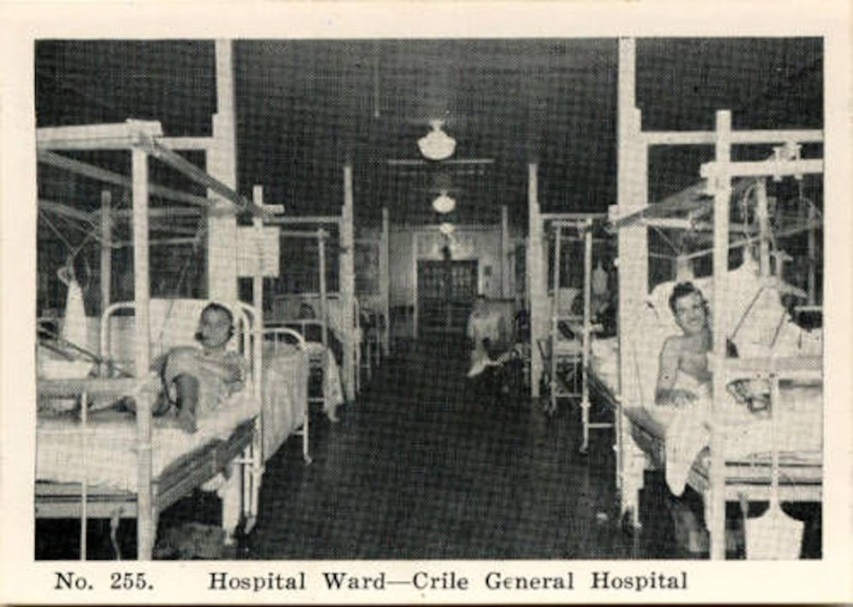
For the first 18 years of its existence, Crile Hospital dedicated itself to healing. It was closed in 1964, with remaining patients there transferred to what’s known today as the Louis Stokes VA Medical Center in the Wade Park neighborhood of Cleveland.
Just as the Crile Hospital was ending its life, a new national movement – Community Colleges –had taken root in Northeast Ohio. Cuyahoga Community College began teaching students in downtown Cleveland in Fall 1963, and its leaders planned to eventually expand to western and eastern Cuyahoga Community College locations as well. Seeing an opportunity, Parma Mayor James Day and other elected officials advocated for placing the western campus at the Crile Hospital site.
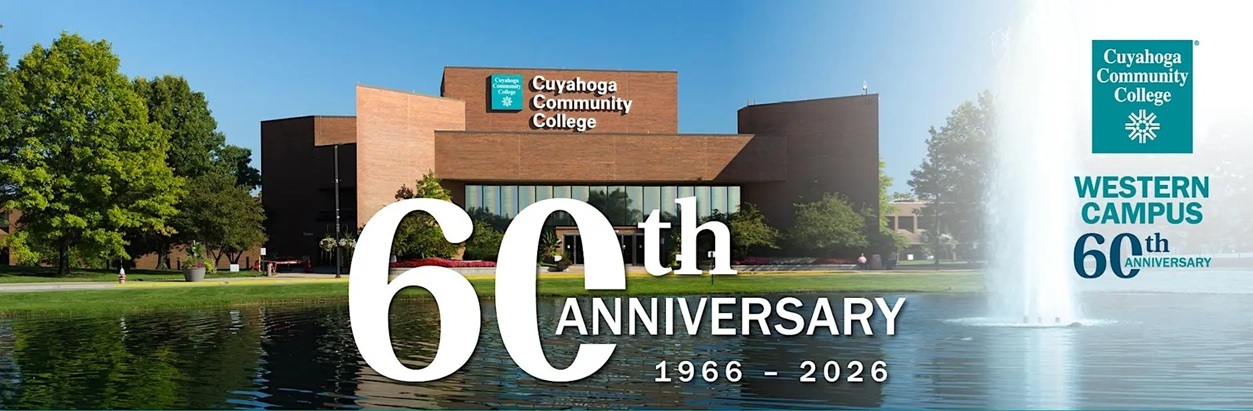
Their efforts were successful, and the first classes were taught in some of the Crile Hospital buildings beginning in September 1966.
Eyeoncleveland.com will be featuring a series of stories about the 60th anniversary of the Western Campus of Cuyahoga Community College. Two of my former students, Christina Easter and Hannah Mayer, will join me in the writing.
+ + + + +
“Strength for today, and bright hope for tomorrow.
Blessings all mine, with ten thousand beside.” — From the song “Great is Thy Faithfulness”
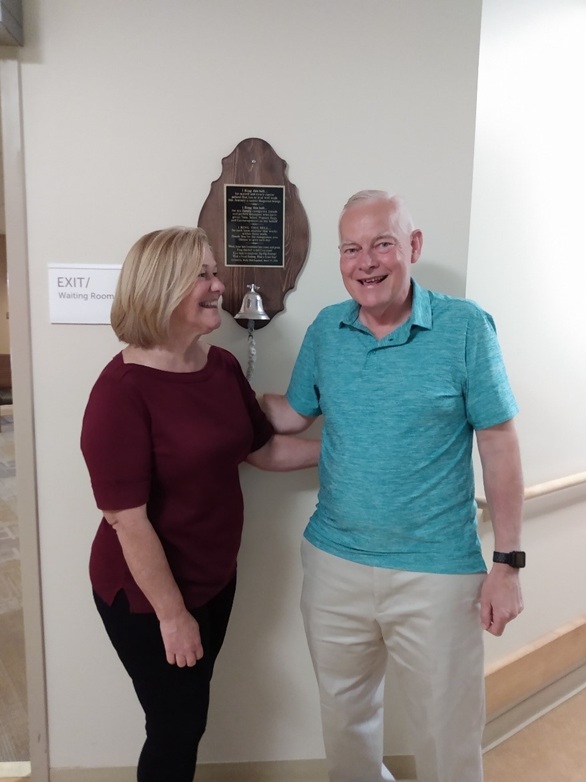
That’s my praise today. Precisely five years ago, I was completing my third round of chemotherapy treatment after being diagnosed with Stage 3 bladder cancer just three months earlier.
Later this year, I’ll be undergoing my five-year post-cancer exams. All’s been clear so far. NED – no evidence of disease – Praise God. Thank you Summa Health. Thank you Dr. Joshua Nething my urologist/oncologist. Thank you to my wife Kathy, who was steadfastly with me every step of the way.
One in a while, I watch and listen to this awesome video of the incomparable CeCe Winans and Carrie Underwood singing “Great is Thy Faithfulness” at Nashville’s Ryman Auditorium, known as the Mother Church of Country Music. Anytime you need some reassurance, give it a view!
SOME SOURCES USED FOR THIS COLUMN
Federal News Network, TSA agents receive partial payments, Justin Doubleday, Federal News Network, March 30, 2026. (Link is refusing to connect.)
Kiplinger | When Will Social Security Run Out of Money? And Medicare?
https://share.google/EsJnWLjdm399ytJY2
EPIC EXPLAINER: What Will Happen When Social Security’s Trust Fund Runs Dry? – EPIC for America
https://share.google/InKq8KG0AGpTs94MQ

